Interiors
5 French Luxury Interiors That Rise Above the Rest
-
Lola Yung
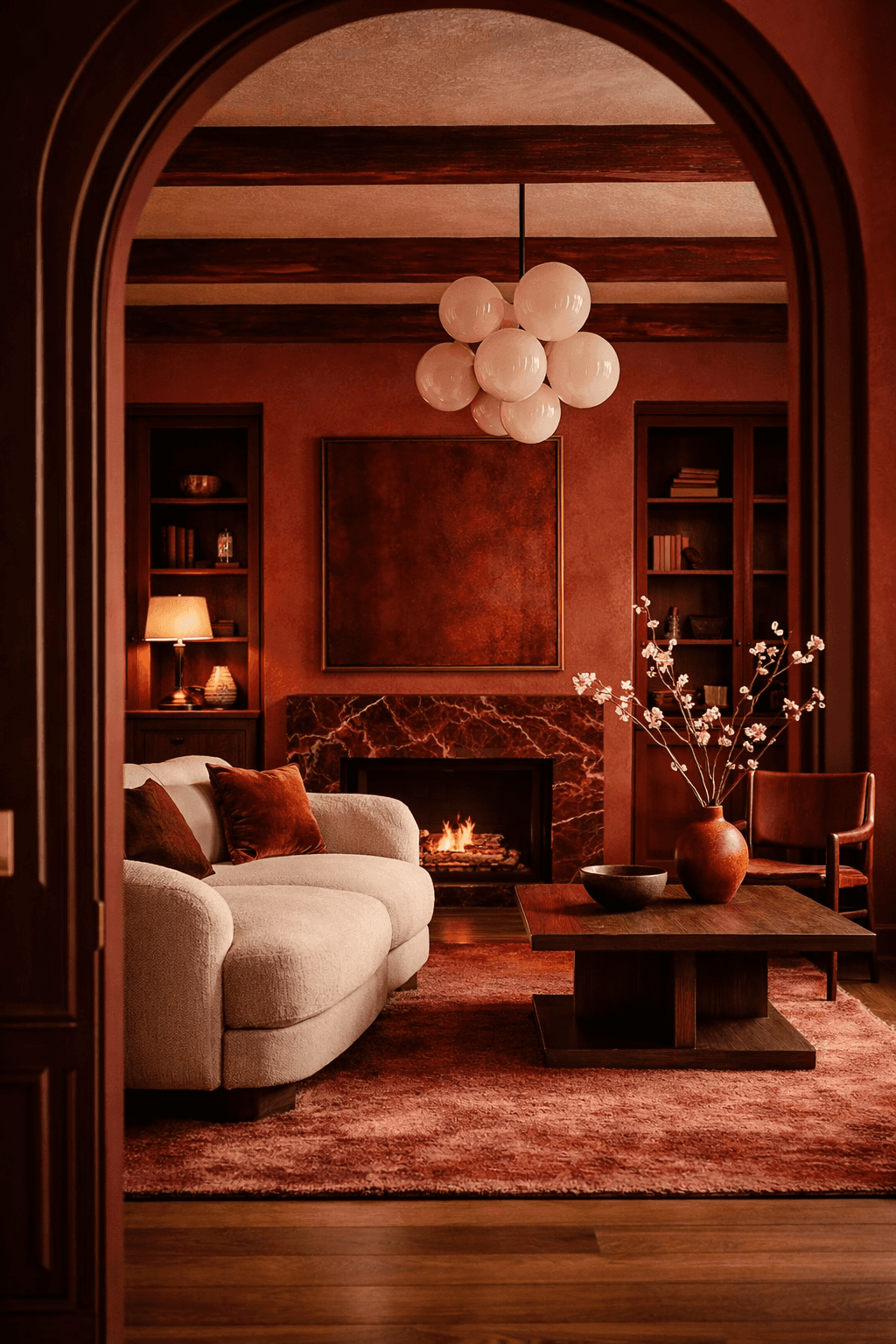
What makes these interiors so enduring is their ability to pair beauty with character. Ornamental details sit alongside restraint, historical references are softened by livability, and every room seems to carry a sense of story. Whether rooted in classic Parisian elegance or a more contemporary interpretation of French design, these spaces continue to rise above the rest because they feel both timeless and deeply intentional.
Why French Interiors Still Feel So Distinctive
One of the reasons French luxury interiors remain so influential is their understanding of contrast. They often combine architectural richness with a relaxed approach to furnishing, allowing ornate mouldings, tall windows, and historic details to exist alongside softer fabrics, edited styling, and a lived-in sense of ease. This creates spaces that feel elegant without becoming rigid or overly formal.
There is also a deep sensitivity to material and mood. Stone, linen, aged timber, velvet, plaster, marble, and antique finishes all play a role in creating interiors that feel layered and emotionally resonant. Rather than chasing perfection, French spaces often embrace patina, softness, and subtle irregularity, which is what gives them so much soul and lasting appeal.
Five Interiors That Capture French Luxury Beautifully
Hôtel de Crillon, Paris: A landmark of Parisian luxury, this interior captures the elegance of classic French detailing while still feeling welcoming and quietly modern. Its rooms balance ornate architecture with restrained furnishings and a softness that keeps the grandeur from feeling distant.
Château de la Messardière, Saint-Tropez: This project reflects a more sun-washed and relaxed version of French luxury. With its light-filled rooms, refined palette, and connection to the landscape, it shows how grandeur can still feel airy, effortless, and deeply rooted in place.
La Réserve Paris Apartments, Paris: These interiors are a strong example of how traditional French refinement can be interpreted for contemporary luxury living. Rich materials, elegant symmetry, and subtle layering give the spaces a sense of depth and sophistication without losing intimacy.
Les Sources de Caudalie, Bordeaux: Set within a vineyard landscape, these interiors feel warm, tactile, and quietly indulgent. They demonstrate how French luxury can move away from formal city elegance and instead embrace softness, nature, and a more relaxed kind of richness.
Avenue Montaigne Private Residence, Paris: A classic Parisian apartment of this kind often captures the essence of French interior luxury through proportion, detailing, and restraint. High ceilings, mouldings, antique-inspired touches, and carefully chosen contemporary elements create a balance that feels both elevated and personal.
What Sets These Spaces Apart
What these interiors share is not one exact aesthetic, but a common understanding of atmosphere. They do not rely on trend-led statements or obvious displays of opulence to communicate luxury. Instead, they create it through scale, rhythm, material richness, and the confidence to let architectural beauty speak for itself.
There is also a strong sense of editing within these spaces. Even where decorative detail is present, it is rarely overwhelmed by clutter or excess. Furnishings are selected with care, palettes are controlled, and styling is often restrained enough to let the room breathe. This ability to create fullness without heaviness is part of what makes French interiors feel so elevated.
Bringing French Luxury Into a Modern Home
The appeal of French luxury interiors does not mean a home has to be filled with gilded mirrors and historic ornament to feel inspired by them. What is often more relevant is the mindset behind the style: an attention to proportion, a love of tactile materials, and a willingness to mix elegance with comfort. Even small choices such as linen drapery, aged wood, softer stone tones, or more sculptural lighting can bring some of that spirit into a contemporary interior.
It is also worth noting that French-inspired design often works best when it avoids imitation. The strongest interiors tend to borrow the atmosphere rather than the exact formula, pairing timeless detailing with the realities of modern living. This creates spaces that feel graceful and rich in character without appearing staged or overly referential.
More Posts