News & Insights
How Design-Led Spaces Are Shaping the Way We Live
-
Layla Jane
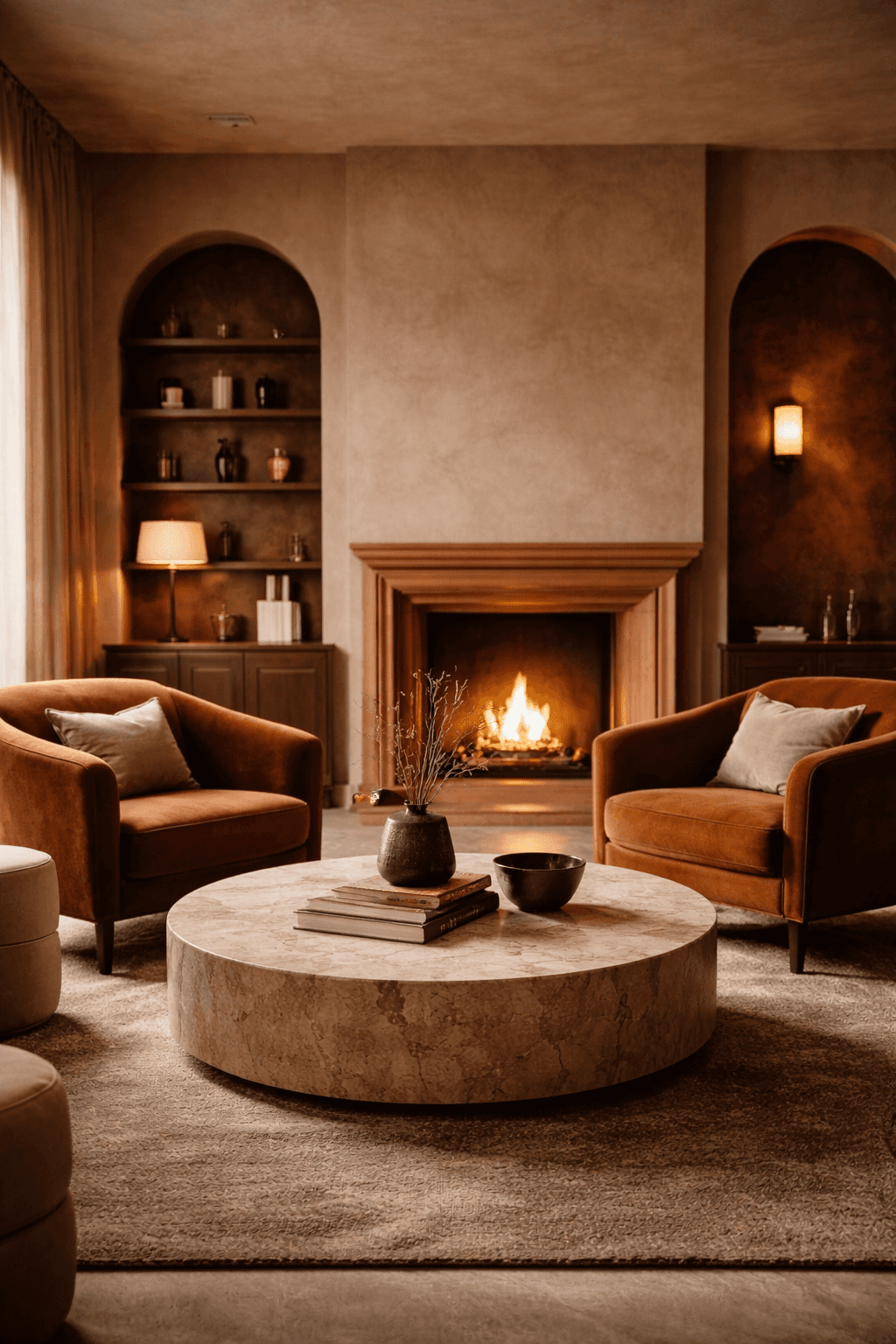
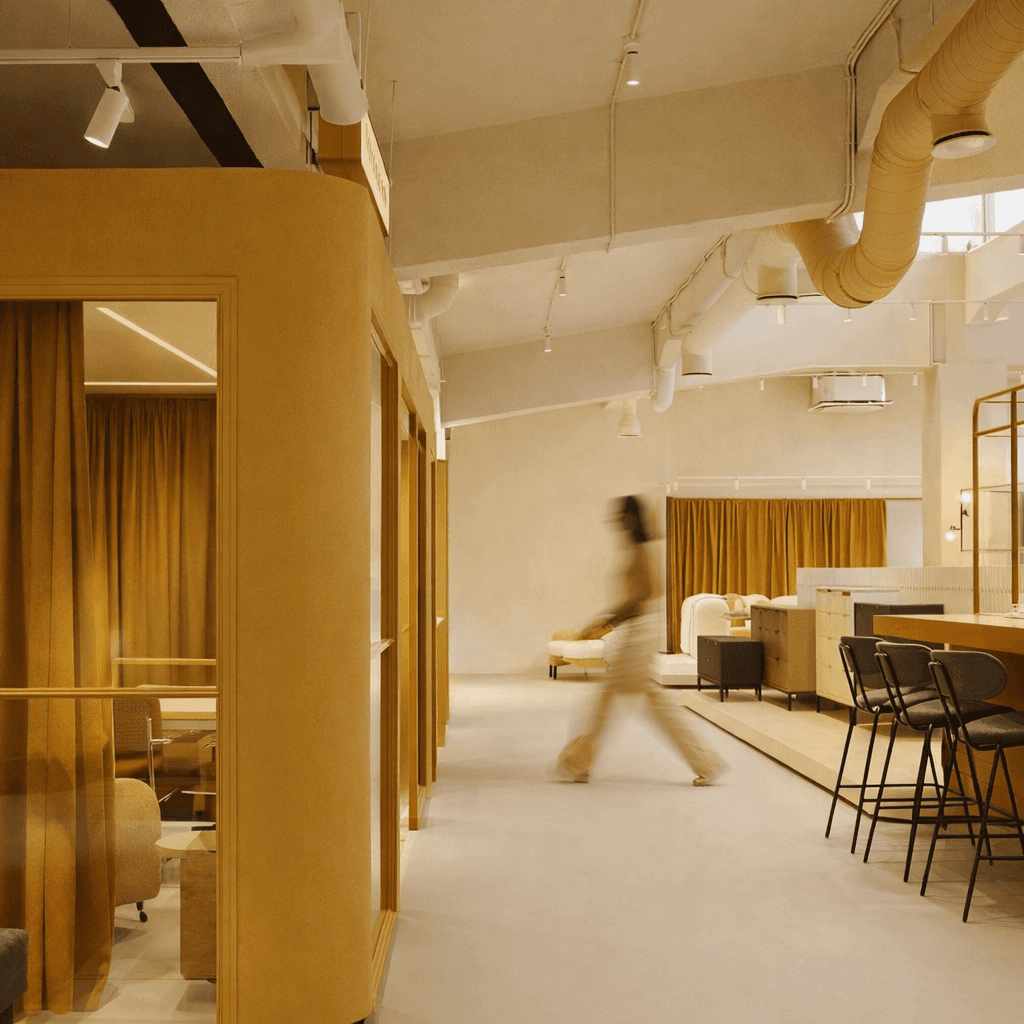
Design-led spaces are no longer seen as something reserved for luxury homes, boutique hotels, or carefully curated studios. Increasingly, they are shaping the way people think about daily life itself — influencing how we rest, gather, focus, and move through the environments around us. As expectations around interiors continue to shift, more people are recognising that thoughtful design is not simply about appearance, but about how a space supports the rhythm of real living.
Living More Intentionally Through Space
One of the clearest ways design-led interiors are changing daily life is by encouraging a more intentional relationship with space. Rather than filling rooms with unnecessary objects or relying on purely decorative choices, people are beginning to place greater value on environments that feel clear, purposeful, and easy to inhabit. This has led to a stronger focus on how each area functions, how rooms relate to one another, and how the overall atmosphere of a home or workplace supports wellbeing.
As a result, spaces are being designed with more care around movement, flexibility, and emotional tone. A kitchen may now be treated as both a practical work zone and a social centre of the home. A bedroom may be designed not just for sleeping, but as a place of retreat from overstimulation and noise. These shifts reflect a wider understanding that the way a space is planned and experienced has a direct effect on the quality of everyday life.
The Move Toward Calm and Clarity
In many modern interiors, there is a growing preference for calm visual environments that reduce friction rather than add to it. People are becoming more aware of how clutter, poor layout, harsh lighting, and visual inconsistency can affect mood and energy over time. In response, design-led spaces are often built around clarity, balance, and a stronger sense of cohesion from one room to the next.
This does not necessarily mean minimalism in the strictest sense. Rather, it means creating environments where everything feels more intentional — where furnishings relate to the scale of the room, materials work together naturally, and the overall composition feels settled rather than chaotic. This kind of clarity helps spaces feel easier to live in and more restorative to return to, especially in a world where many people are already managing constant noise and overstimulation elsewhere.
The Emotional Impact of Better Interiors
Another reason design-led spaces are having such a strong influence is that people are becoming more conscious of the emotional effect interiors can have. A well-designed room can create a sense of calm, comfort, confidence, or energy, while a poorly considered space can quietly contribute to stress, frustration, or fatigue. As this understanding becomes more mainstream, the value of good design is no longer seen as superficial, but as something that genuinely shapes the quality of daily experience.
This is one of the reasons warmth, texture, and atmosphere have become so important in contemporary interiors. People are looking for spaces that feel grounding and personal, not just polished. They want homes that support rest, workplaces that feel more human, and hospitality environments that offer a stronger sense of mood and escape. In each case, design becomes less about decoration alone and more about creating environments that positively influence how people feel over time.
Conclusion
Design-led spaces are shaping the way we live because they respond to something deeper than visual taste alone. They reflect a desire for homes, workplaces, and shared environments that feel more aligned with the realities of modern life — spaces that support comfort, flexibility, identity, and emotional ease. As expectations continue to evolve, thoughtful design will become less of an added luxury and more of a baseline for how people want to live.
More Posts