Interiors
How to Create a Home That Feels Calm and Cohesive
-
Manuel Franco
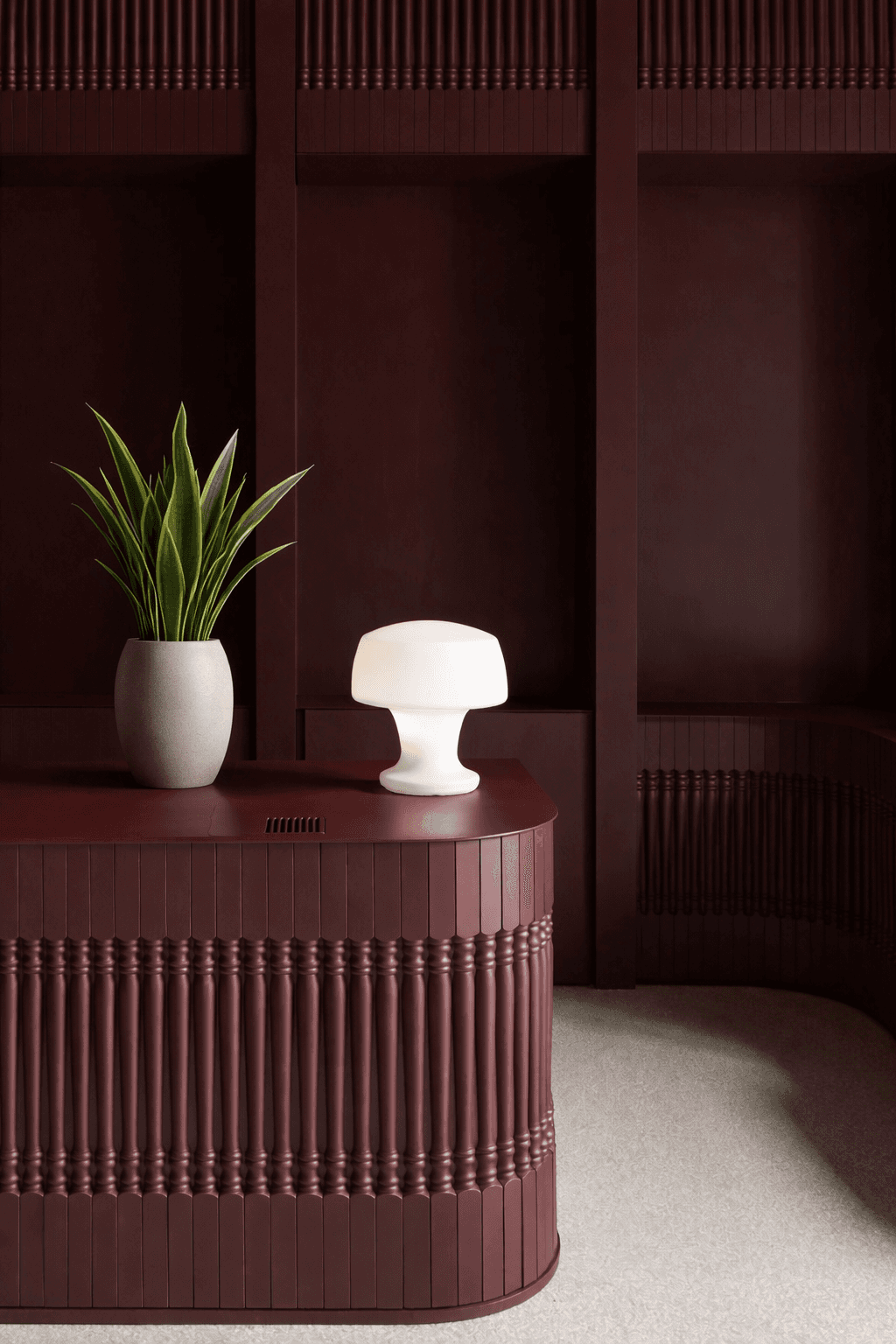
A home that feels calm and cohesive rarely comes down to one dramatic design decision. More often, it is the result of many quieter choices working together — a considered palette, balanced proportions, thoughtful lighting, and a sense of continuity that carries naturally from one space to the next. When those elements are aligned, a home begins to feel easier to live in, easier to move through, and far more restful to return to.
Creating that kind of atmosphere does not mean every room has to look identical or stripped back. In fact, the most successful interiors usually have warmth, personality, and variation. What makes them feel calm is not sameness, but clarity — a sense that each decision belongs, and that the home as a whole has been shaped with intention rather than assembled in fragments over time.
Start With a Clear Foundation
One of the most effective ways to create a calmer home is to begin with a strong visual foundation. This usually means developing a palette of colours, tones, and materials that can flow naturally throughout the space, even if each room has its own individual character. When the foundation feels consistent, the home starts to feel more connected overall, and transitions between rooms become softer and more natural.
This does not mean limiting everything to one colour or one style. A clear foundation simply gives the home a sense of rhythm and continuity, making it easier to layer furniture, textiles, and decorative elements without the result feeling disjointed. It helps each room feel like part of a wider story rather than a separate experiment.
What Helps a Home Feel More Cohesive
Keep the palette connected: A home feels more settled when colours and materials relate to one another across different rooms. Even subtle repetition in tone, finish, or texture can make the overall interior feel more intentional and visually calm.
Use consistency in key details: Elements such as lighting finishes, timber tones, hardware, or fabric textures can help create a stronger sense of flow. Repeating certain details gives the home continuity without making it feel repetitive.
Let each room breathe: Calm interiors are rarely overcrowded. Giving furniture enough space, editing back unnecessary pieces, and allowing for visual pause can make the entire home feel lighter, clearer, and more harmonious.
Let Personality Sit Within Restraint
One common misconception is that a calm home has to feel plain or overly minimal. In reality, personality is often what gives a space warmth and depth, but it tends to feel most effective when it sits within a more restrained overall framework. Artwork, collected objects, richer textures, or a favourite accent colour can all add character without disrupting the sense of calm when the wider home already feels grounded and well balanced.
The key is to make sure personality is layered with intention rather than added all at once. When each piece has space to be appreciated, the home feels more curated and less visually noisy. This creates interiors that feel both personal and peaceful — spaces with identity, but also with enough softness and clarity to support everyday comfort.
More Posts