Interiors
Open-Plan Spaces: Designing With Structure
-
Julia Morris
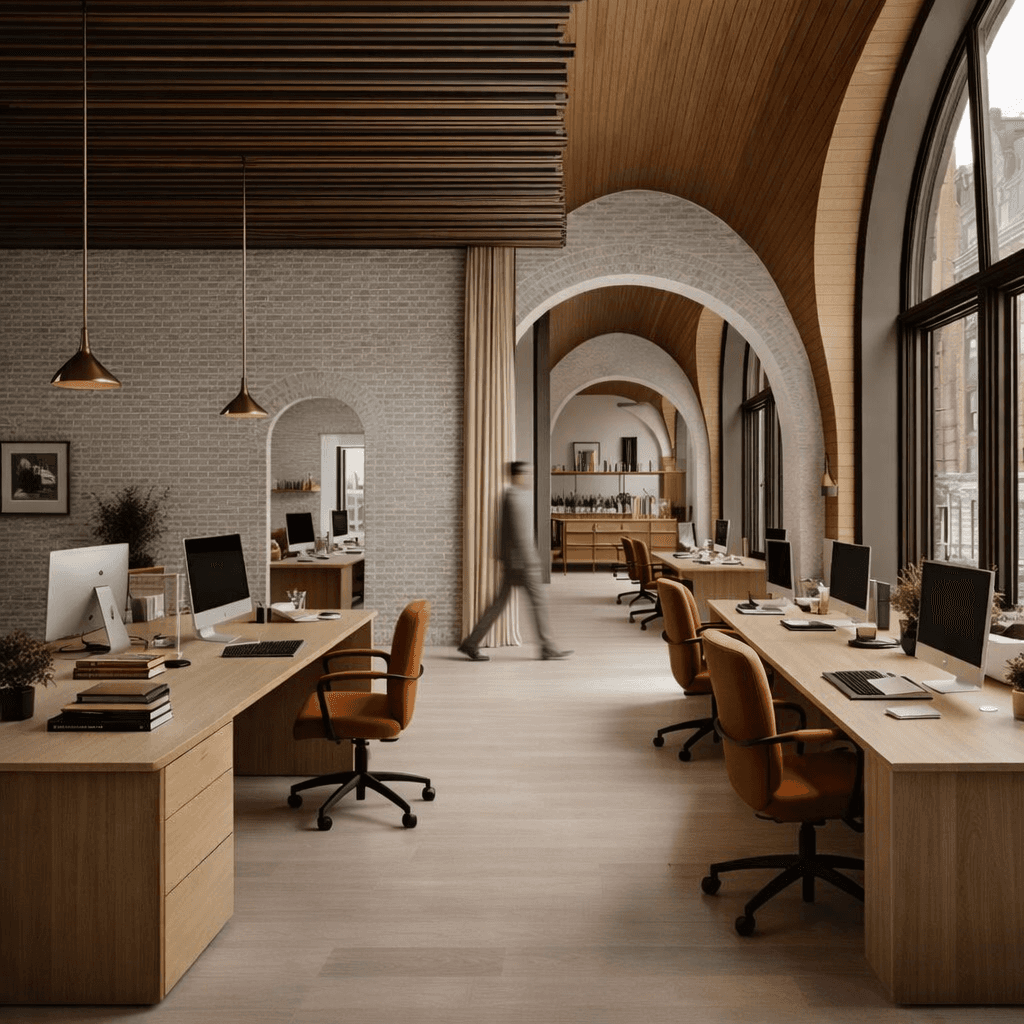
Open-plan spaces can feel bright, spacious, and full of possibility, but they can also be some of the hardest interiors to get right. Without enough structure, they risk feeling undefined, echoing, or visually flat. Without enough warmth, they can become impressive at first glance but difficult to truly settle into over time.
The challenge is not simply filling a larger room with furniture. It is creating an interior that still feels connected and open while giving each area a sense of purpose, comfort, and visual rhythm. When handled well, an open-plan space can feel effortless — spacious enough to breathe, but grounded enough to support real daily life.
Create Zones Without Losing Flow
One of the most important parts of designing an open-plan interior is creating distinction between different areas without interrupting the overall sense of openness. A living space, dining area, and kitchen may all exist within one larger room, but they still need their own identity in order for the space to feel settled. This often comes down to subtle zoning rather than obvious division.
Rugs, lighting, furniture placement, and changes in material or shape can all help define an area without breaking the room apart. These quieter signals allow each part of the space to feel intentional while still contributing to a larger whole. The result is a layout that feels natural and connected, rather than one large room where everything competes for attention at once.
Use Material and Texture to Add Warmth
Because open-plan spaces often rely on larger volumes, harder lines, and more visible surfaces, materiality plays a major role in how welcoming they feel. Without enough warmth in the palette, the room can quickly become stark or impersonal, especially when natural light shifts or the space is being used in quieter moments. Texture helps soften that effect and gives the room greater emotional depth.
Timber, upholstered pieces, natural textiles, softer finishes, and layered lighting can all help bring balance to a more expansive interior. These elements make the room feel more tactile and liveable, allowing spaciousness to feel comfortable rather than exposed. Warmth in an open-plan setting is rarely about adding more objects — it is about making the right surfaces and materials work harder to create atmosphere.
Let Structure Come From Repetition and Balance
Structure in an open-plan space does not always need to come from walls or bold architectural gestures. Often, it is built through repetition, proportion, and the way visual elements relate to one another across the room. When lighting, tones, shapes, or materials are echoed thoughtfully, the interior begins to feel more ordered and composed without losing its relaxed quality.
Balance is just as important as repetition. Larger spaces need enough variation to feel dynamic, but also enough consistency to avoid visual fragmentation. When scale, rhythm, and placement are handled carefully, an open-plan interior feels easier to understand and more enjoyable to move through. That is often what makes the difference between a room that feels merely large and one that feels beautifully resolved.
More Posts