Design Trends
How Curved Forms Are Softening Living Spaces
-
January Jupiter
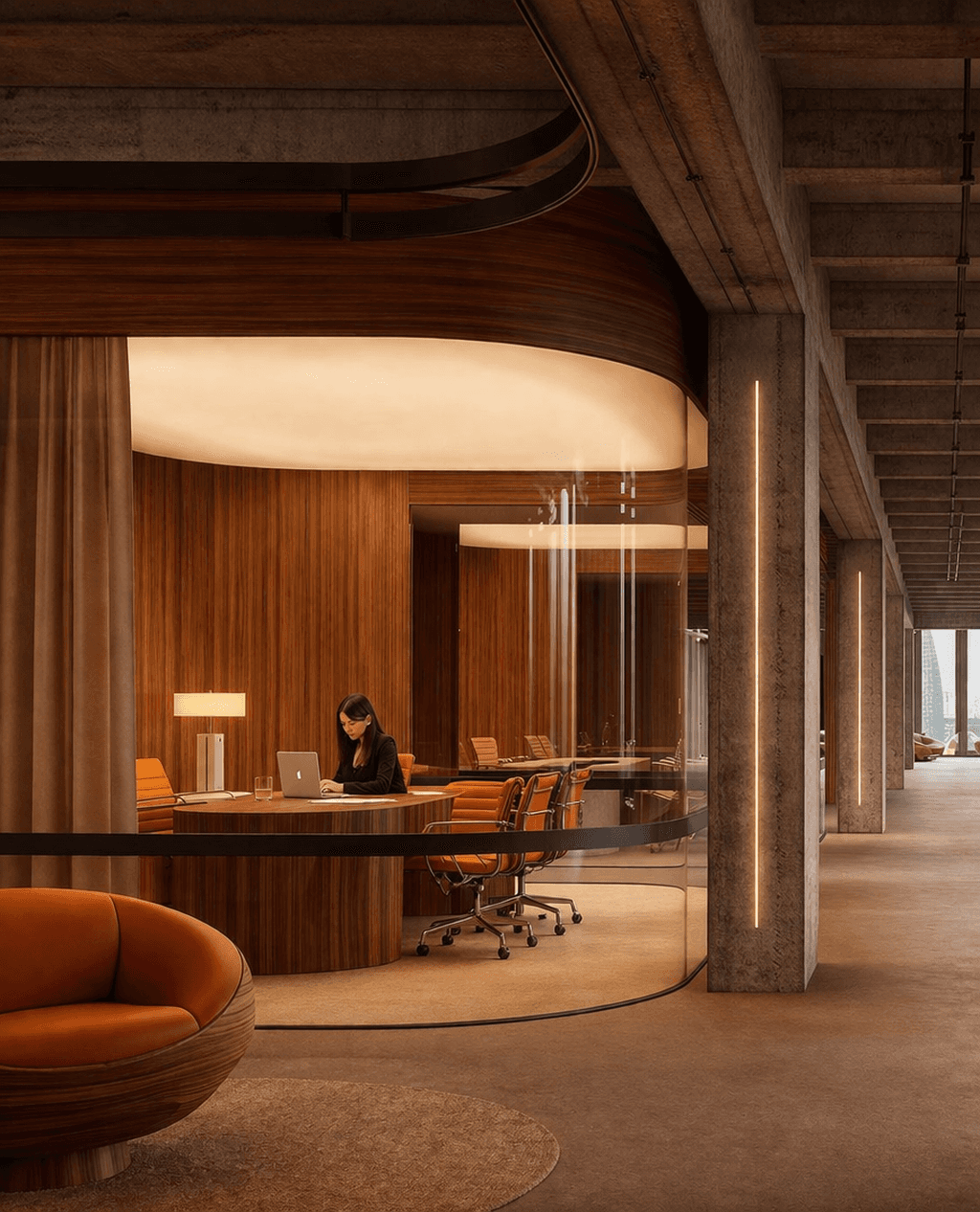
As homes become more focused on comfort, atmosphere, and emotional ease, curved forms are offering a way to make spaces feel gentler without losing sophistication. They soften the visual language of a room, create a more fluid sense of movement, and help interiors feel less rigid overall. This is one of the reasons they continue to resonate across both contemporary and more timeless design styles.
A Softer Alternative to Hard Lines
Many modern interiors are built around straight edges, strong silhouettes, and architectural clarity. While that can create a polished and structured result, it can also make a room feel too sharp or overly controlled when there is not enough balance elsewhere. Curved forms help offset that effect by introducing shapes that feel more natural, relaxed, and easy on the eye.
This contrast is often what makes them so effective. A curved sofa in a room of straight walls and angular architecture immediately changes the mood, making the space feel more inviting and less formal. The same is true of rounded coffee tables, arched mirrors, or softly contoured joinery. These elements do not just add visual interest; they subtly reshape how the room is experienced.
Why Curves Feel So Comforting
There is something inherently softer about rounded forms, which is why they often feel more emotionally approachable than very sharp, angular design. In living spaces especially, where comfort and ease matter so much, curves can help reduce visual tension and create a sense of flow that feels more natural. This does not mean a room needs to become overly soft or decorative, but rather that it benefits from shapes that feel less abrupt.
Curves also influence the way people move through and relate to a room. Rounded edges can make furniture arrangements feel more open, encourage smoother circulation, and reduce the sense of harsh division between objects in a space. This creates interiors that feel calmer and more connected, which is one of the key reasons curved forms have become so popular in homes focused on wellbeing and relaxed modern living.
How They Work Within Contemporary Interiors
One of the strengths of curved forms is that they can sit comfortably within a wide range of interior styles. In minimal spaces, they add softness and sculptural interest without disrupting the simplicity of the room. In warmer or more layered interiors, they help reinforce a sense of comfort and visual ease. Their flexibility makes them especially useful in homes where the goal is to feel design-led, but never cold or severe.
They also work particularly well when used selectively. A single curved piece can become a focal point, while several rounded elements repeated across a room can create rhythm and continuity. The key is balance. Too many curves can make a space feel overly stylised, but the right amount can soften the overall composition and make the room feel more complete.
More Posts