Styling Tips
Layering Furniture and Décor Without Overcrowding
-
January Jupiter
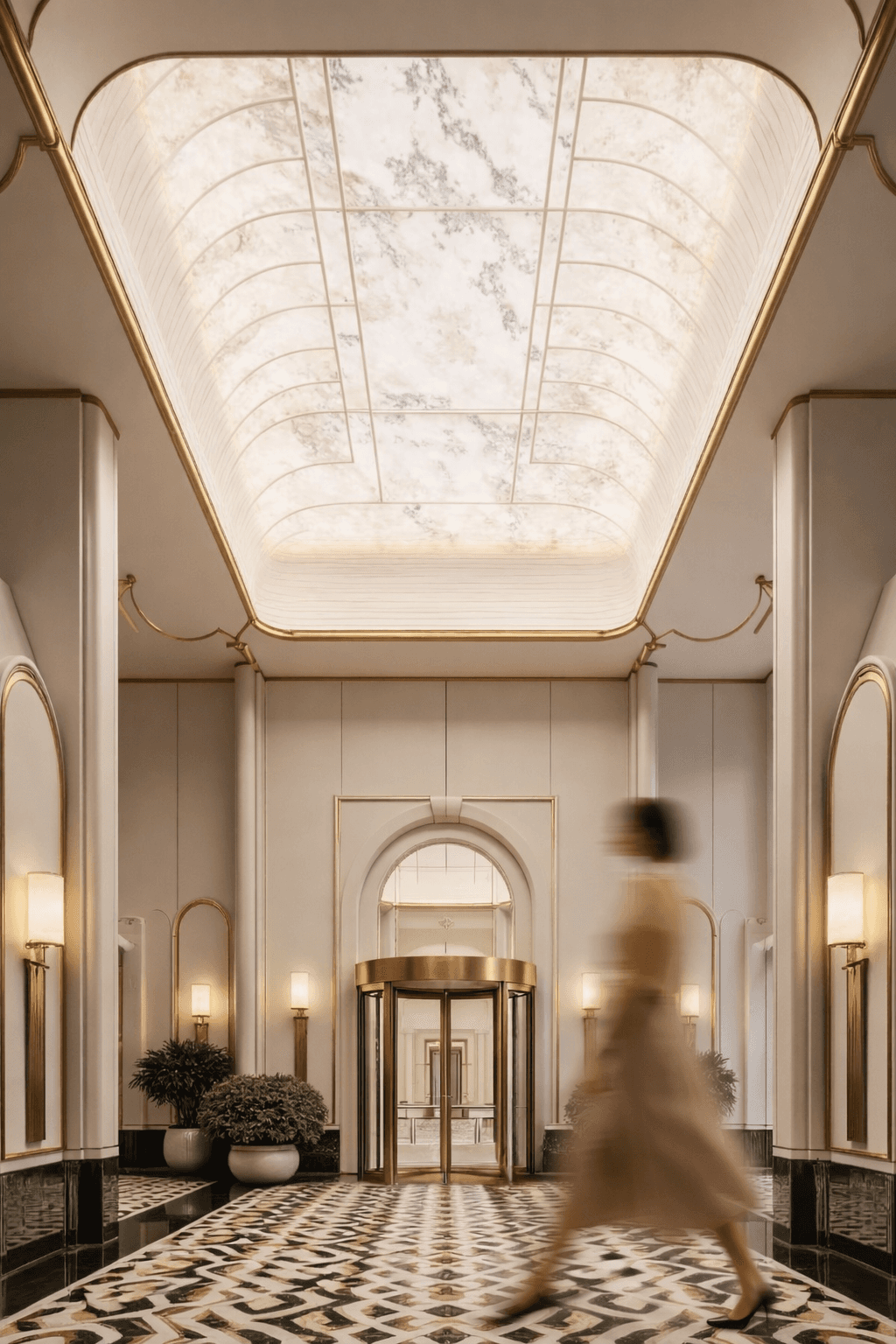
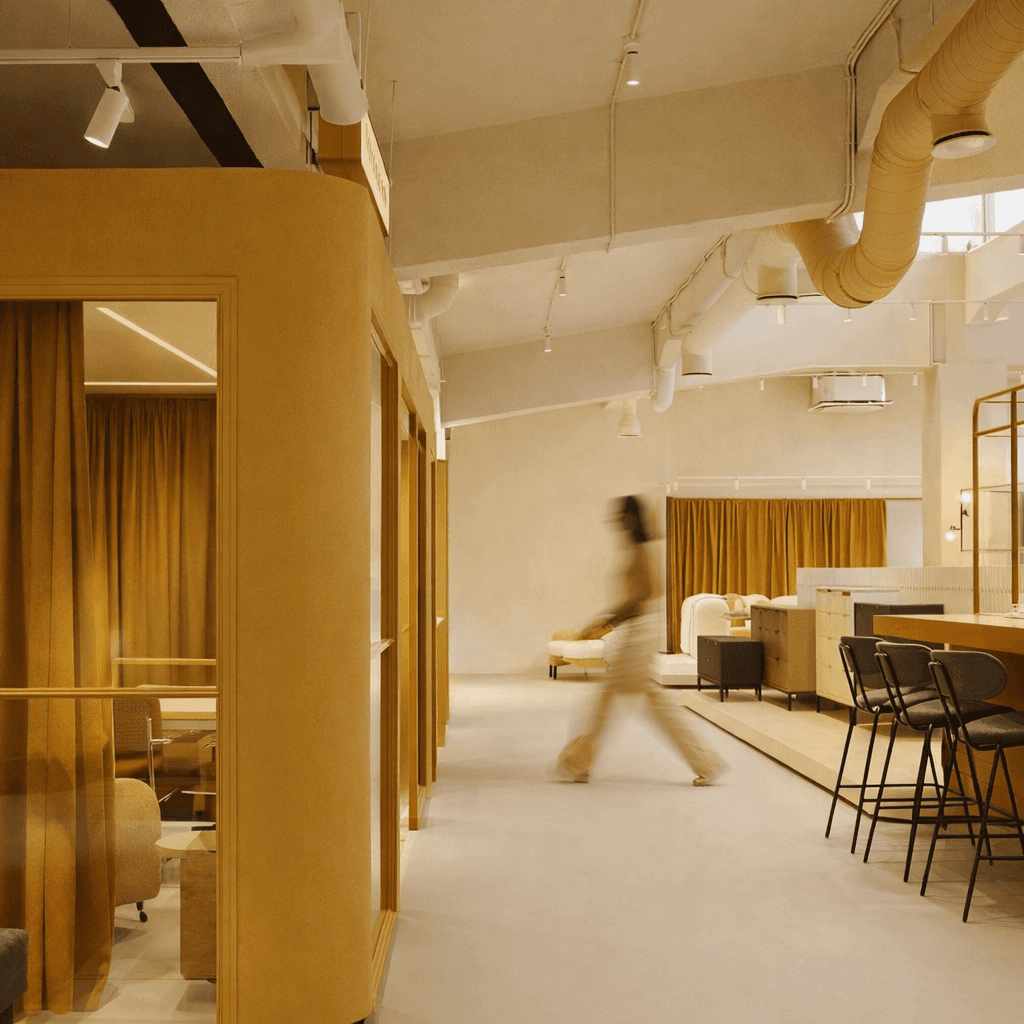
The difference usually comes down to restraint and proportion. A well-layered room is not necessarily one with more objects in it, but one where each piece has a clear role and enough space to be appreciated. When furniture, lighting, textiles, and decorative details are chosen and arranged with intention, an interior can feel rich and complete without ever becoming overwhelming.
Start With the Larger Pieces First
One of the most common mistakes in styling is focusing on smaller decorative details before the main furniture arrangement feels resolved. If the larger pieces in a room are not balanced properly, no amount of accessories will make the space feel cohesive. The strongest interiors usually begin with a clear structure built around key furniture items that support the function and rhythm of the room.
This means considering scale, spacing, and placement before adding anything else. A sofa, dining table, bed, or storage piece should feel proportionate to the room and to the other furniture around it. Once that foundation is in place, layering becomes far easier because the space already has visual clarity and enough grounding to support additional detail.
Let Negative Space Do Its Work
A room does not feel well styled simply because every surface is filled. In fact, the opposite is often true. Negative space is what allows the eye to rest and gives furniture and décor the chance to stand out. Without it, even beautiful pieces can lose their impact and the room begins to feel cluttered rather than composed.
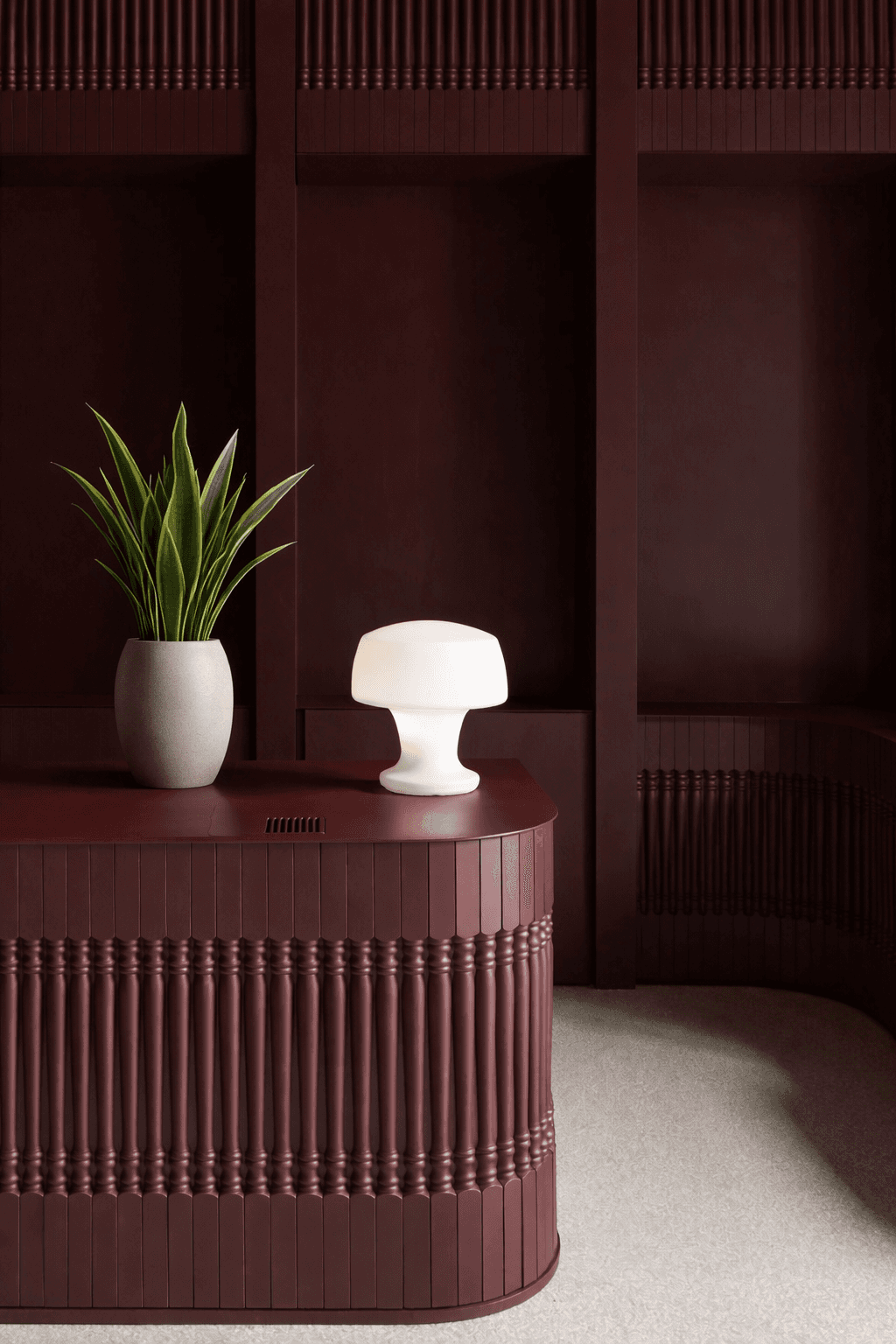
This is especially important when layering shelves, console tables, coffee tables, or open surfaces. Not every area needs to be styled, and not every corner needs to hold something decorative. Leaving certain spaces quieter can make the room feel calmer, more elevated, and far more intentional overall.
Think in Layers, Not in Clusters
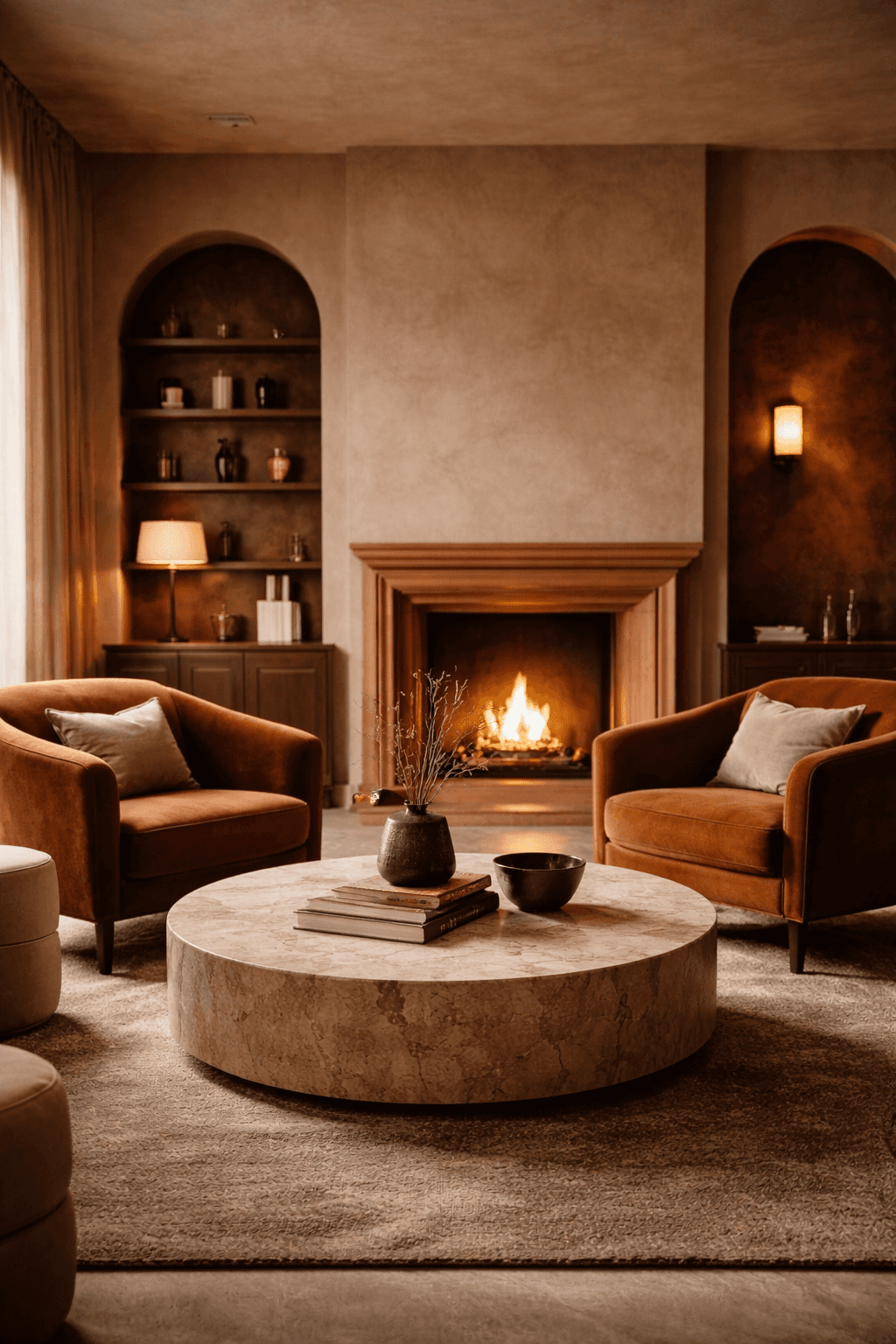
Successful styling tends to build a room in layers rather than simply adding items wherever there is empty space. This often starts with foundational pieces such as rugs, curtains, or larger furniture, followed by softer elements like cushions, throws, lighting, and then smaller decorative touches that add character. When each layer is considered in relation to the one before it, the room feels fuller in a balanced and natural way.
Problems usually arise when too many decorative objects are added without that underlying structure. A collection of vases, books, trays, and accessories may look appealing individually, but if they are not grounded by the room’s larger composition, they can quickly make the space feel scattered. Layering works best when every addition supports the overall atmosphere rather than competing for attention.
Use Contrast With Restraint
A room becomes more visually interesting when there is some variation in scale, texture, shape, and material. Contrast gives styling its depth, helping a space feel curated rather than flat. A smooth stone surface beside linen, a sculptural lamp near a softer upholstered chair, or a darker accent against a lighter palette can all enrich the room without adding unnecessary complexity.
The key is to use contrast with restraint. Too much variation can make the space feel restless, while the right amount creates visual rhythm and balance. A layered room should feel intentional, where each difference adds character but still belongs within a clear and cohesive overall scheme.
Conclusion
Layering furniture and décor without overcrowding comes down to balance, proportion, and a willingness to leave some space untouched. When the larger pieces are well placed, the visual rhythm is clear, and the decorative layers are added with restraint, a room begins to feel warm and complete rather than cluttered. Good styling is not about filling every gap, but about creating a space where each element contributes to the overall atmosphere.
More Posts