Interiors
Making Small Interiors Feel Larger and Lighter
-
Lola Yung
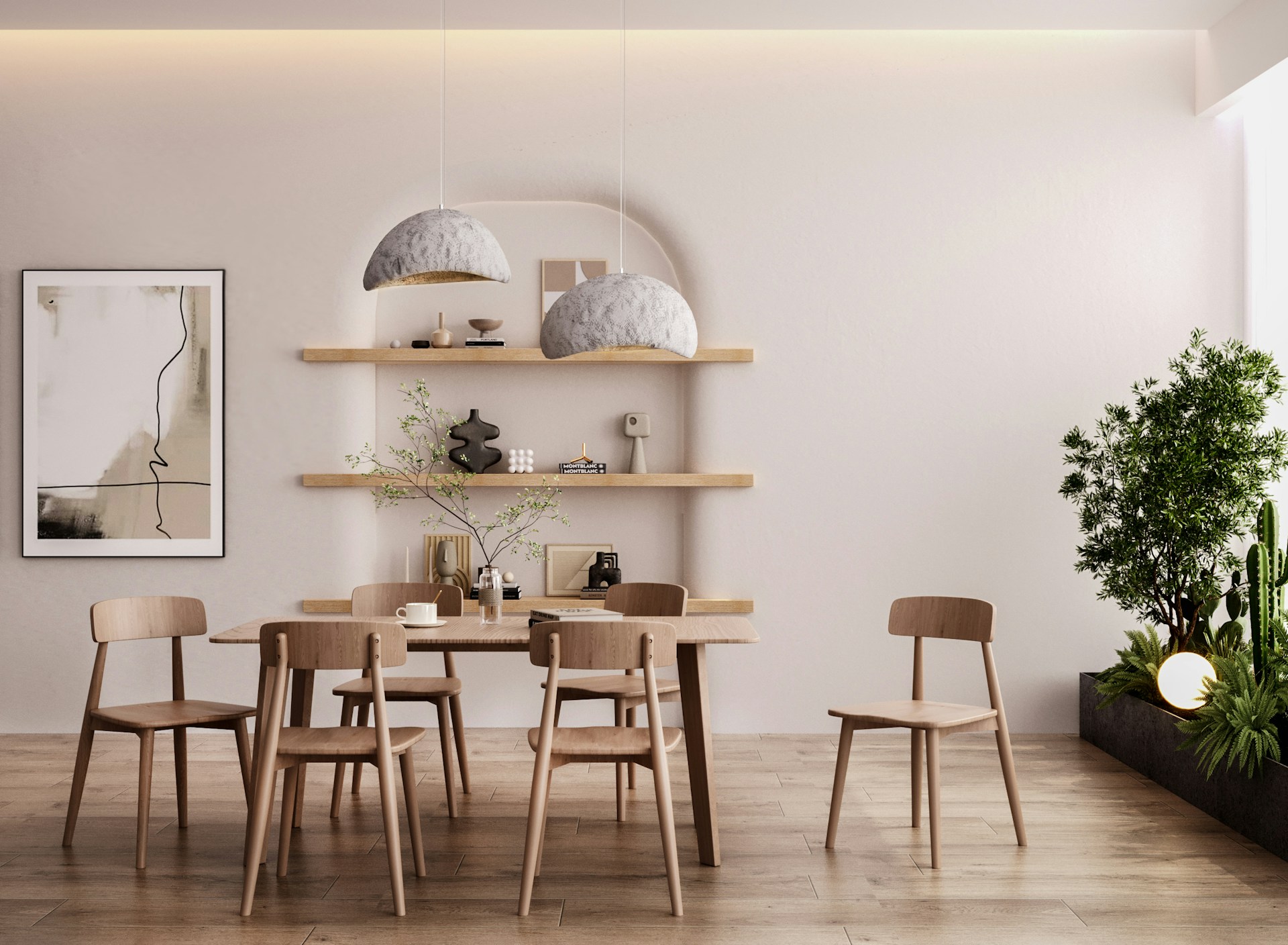
Small interiors often come with their own kind of charm, but they also demand more care in how every decision is made. When a space is limited, clutter becomes more noticeable, poor layout becomes more frustrating, and heavy visual choices can quickly make a room feel closed in. The goal is not to pretend a small room is larger than it is, but to design it in a way that feels open, breathable, and easy to live in.
A lighter-feeling interior usually comes from clarity rather than excess. Good proportions, thoughtful storage, a softer palette, and enough visual breathing room can completely change how a smaller space is experienced. When those elements work together, even a compact room can feel calm, functional, and surprisingly generous.
Start With Light and Visual Simplicity
One of the most effective ways to make a small interior feel larger is to reduce unnecessary visual weight. Heavy contrasts, bulky furniture, overfilled shelves, and too many competing finishes can make a room feel busy and compressed, even when the square footage has not changed. A clearer palette and a more restrained approach help the space feel lighter from the moment you enter.
Natural light should also be treated as one of the room’s greatest assets. Keeping window areas as open as possible, choosing softer treatments, and using finishes that reflect rather than absorb light can make a significant difference. Even in rooms without abundant daylight, the right balance of colour and surface can help create a brighter, more expansive impression.
What Helps a Small Space Feel Bigger
Use furniture with lighter visual weight: Pieces that sit slightly off the floor, have slimmer profiles, or feel less bulky can help a room breathe more easily. This allows more of the floor and surrounding space to remain visible, which makes the overall interior feel less crowded.
Keep the palette soft and connected: When colours and materials flow naturally from one area to the next, the room feels more continuous and less visually broken up. Softer, more cohesive tones often help a small space feel calmer and more open.
Build in smarter storage: Storage is one of the biggest factors in whether a compact room feels functional or overwhelmed. The more everyday items can be integrated neatly into the space, the easier it is to maintain a sense of clarity and lightness.
Think Carefully About Layout and Scale
In smaller interiors, layout matters just as much as colour or decoration. Furniture that is too large can dominate the room, but pieces that are too small can also make a space feel disjointed and under-considered. The key is choosing items that suit the room’s proportions and arranging them in a way that supports movement without creating awkward gaps or unnecessary congestion.
This often means being more intentional about what the room really needs. Rather than trying to fit in every possible function or item, it helps to prioritise pieces that serve the space well and allow it to feel balanced. A compact room usually feels larger when it is doing fewer things, but doing them well.
Let the Room Feel Edited, Not Empty
There is a difference between a room that feels light and one that feels unfinished. Small interiors still need warmth, personality, and some degree of layering in order to feel inviting. The aim is not to strip everything back to the point where the space loses character, but to be more selective about what stays and how it is presented.
A few well-chosen pieces of art, softer textiles, and thoughtful decorative elements can give a compact room depth without making it feel crowded. When each item has space around it, the room feels more composed and intentional. That sense of editing often creates a stronger impression of openness than simply trying to minimise everything.
More Posts