Styling Tips
Minimalism in the 21st Century
-
Lola Yung
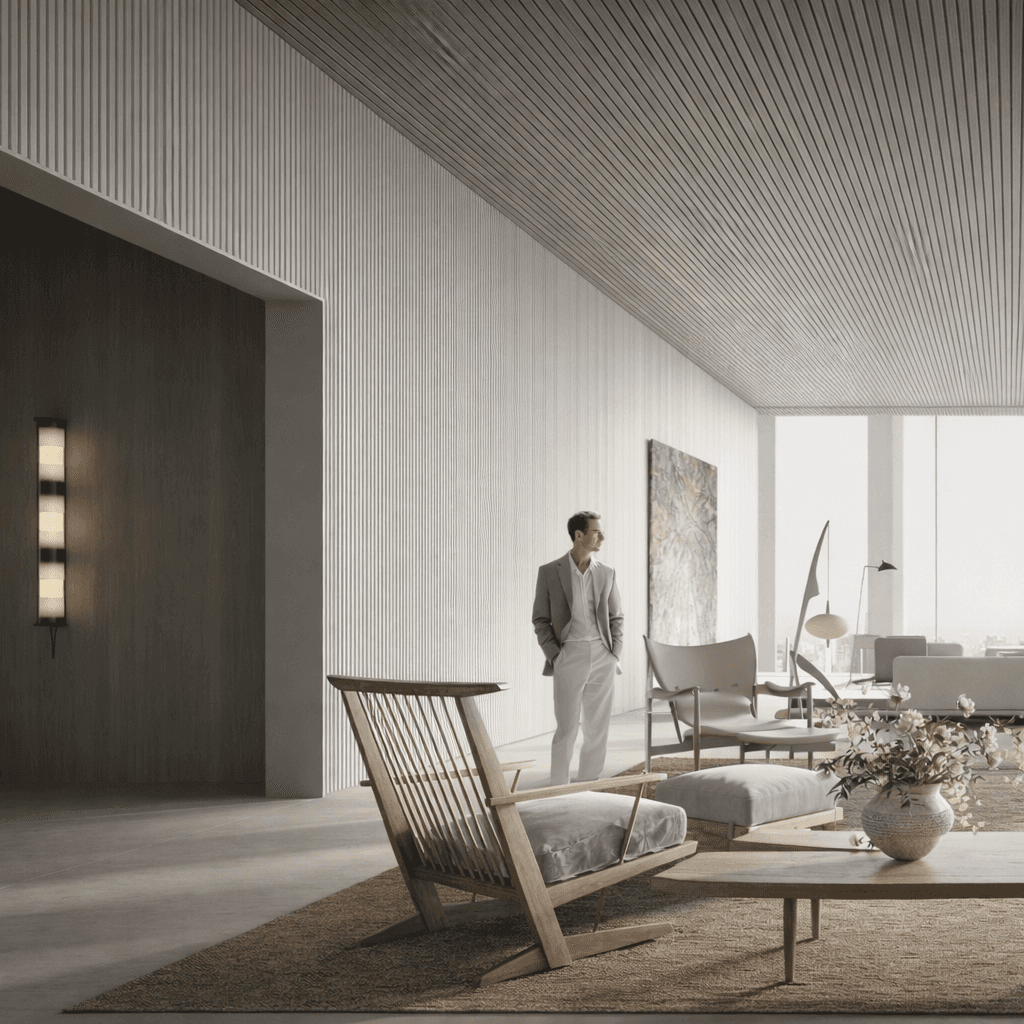
Minimalism has changed significantly over the years. What once felt closely tied to stark white rooms, sharp edges, and a near-total absence of decoration is now being reinterpreted in a way that feels more human and more liveable. In the 21st century, minimalism is less about stripping everything away for visual effect and more about creating spaces that feel calm, intentional, and easier to inhabit every day.
Beyond the Stark Minimalism of the Past
Earlier versions of minimalism often focused heavily on visual purity. Rooms were reduced to their most basic elements, colours were kept cool and highly restrained, and decorative detail was often treated as unnecessary. While this created a strong aesthetic statement, it also left many spaces feeling distant, overly controlled, or difficult to connect with on an everyday level.
Contemporary minimalism is softer in its priorities. It still avoids excess, but it places greater value on atmosphere, comfort, and lived experience. The room is no longer expected to feel empty in order to feel refined. Instead, the goal is to create a space where each element has purpose, where visual calm exists alongside warmth, and where restraint does not come at the expense of personality.
Why Minimalism Still Resonates
One reason minimalism remains so relevant is that modern life is often visually and mentally noisy. Many people are drawn to interiors that offer a sense of pause, where the home feels quieter, clearer, and less demanding than the world outside. Minimalism answers that need by reducing clutter, simplifying visual decisions, and creating spaces that feel easier to move through and maintain.
At the same time, the 21st-century version of minimalism feels more flexible than before. It can work in small apartments, family homes, contemporary spaces, or period properties because it is rooted more in attitude than in one strict formula. Its appeal lies in helping people live with more intention, surrounding themselves with fewer but better things, and creating rooms that feel settled rather than overloaded.
Warmth, Texture, and Character
One of the biggest shifts in modern minimalism is the role of materiality. Today’s minimal interiors often rely on texture to create depth and softness, using timber, linen, plaster, stone, wool, and other tactile finishes to stop the room from feeling flat. This makes the space feel quieter in a more comforting way, where simplicity is supported by richness of surface rather than by visual emptiness alone.
Character has also become more accepted within minimalist spaces. A sculptural chair, a collected ceramic object, a darker timber finish, or a piece of artwork can all sit comfortably within a minimal interior when chosen carefully. This gives the home more individuality and helps minimalism feel less like a rigid style rule and more like a thoughtful way of shaping space.
Minimalism as a Styling Mindset
In practical terms, minimalism today often works best as a styling mindset rather than a strict visual formula. It encourages thoughtful editing, better spacing, and a stronger awareness of what a room actually needs in order to feel complete. Instead of filling every surface, the focus is on allowing key pieces to stand out and making sure the overall composition feels calm and balanced.
This means styling with intention rather than abundance. Furniture is chosen for both function and form, decorative details are used with restraint, and empty space is seen as valuable rather than unfinished. When handled this way, minimalism becomes less about having less for its own sake and more about giving the right things room to breathe.
Conclusion
Minimalism in the 21st century is no longer defined by coldness or absence. It has evolved into something warmer, more tactile, and more closely connected to the realities of how people want to live today. It still values simplicity, but it understands that a calm home also needs comfort, texture, and some sense of personal identity to feel truly complete.
More Posts