Design Trends
The Rise of Warm Mid-Century Modern
-
Lola Yung
Mid-century modern has remained a familiar reference point in interior design for decades, but its latest evolution feels noticeably different from the sharper, more stylised interpretations that once dominated. Rather than leaning into cool minimalism or highly polished retro revival, many contemporary interiors are embracing a warmer version of the look — one that feels softer, more tactile, and far easier to live with. This shift is giving the style new relevance, especially for people who appreciate clean lines but still want their home to feel inviting and emotionally grounded.
What makes this warmer interpretation so appealing is its balance. It keeps the clarity, proportion, and sculptural quality that made mid-century design iconic, while introducing richer materials, gentler palettes, and a more lived-in atmosphere. The result is a style that feels familiar yet newly relaxed, offering structure without stiffness and character without visual heaviness.
Why the Style Is Returning Now
Part of the renewed appeal of warm mid-century modern lies in how well it answers current design priorities. Many people are drawn to interiors that feel timeless rather than trend-led, but they also want spaces with more softness and personality than strict minimalism often allows. Mid-century design already offers strong foundations through its sense of proportion, simplicity, and functional thinking, so it lends itself naturally to this more balanced approach.
At the same time, there is a wider movement toward homes that feel emotionally comforting rather than overly controlled. As a result, the cooler and more rigid versions of mid-century modern are giving way to interiors that still feel edited, but also layered and human. This warmer direction makes the style more adaptable to modern life, where comfort and atmosphere matter just as much as visual clarity.
What Makes It Feel Warmer
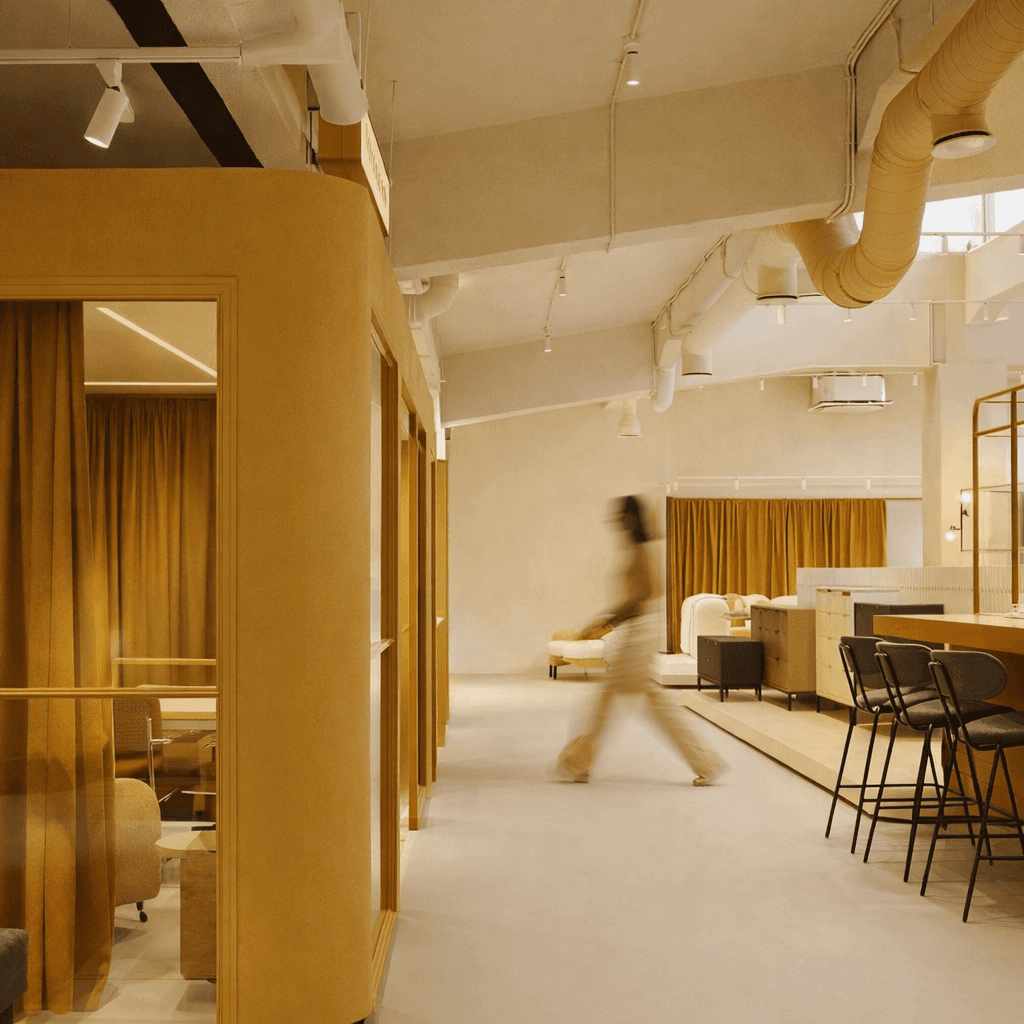
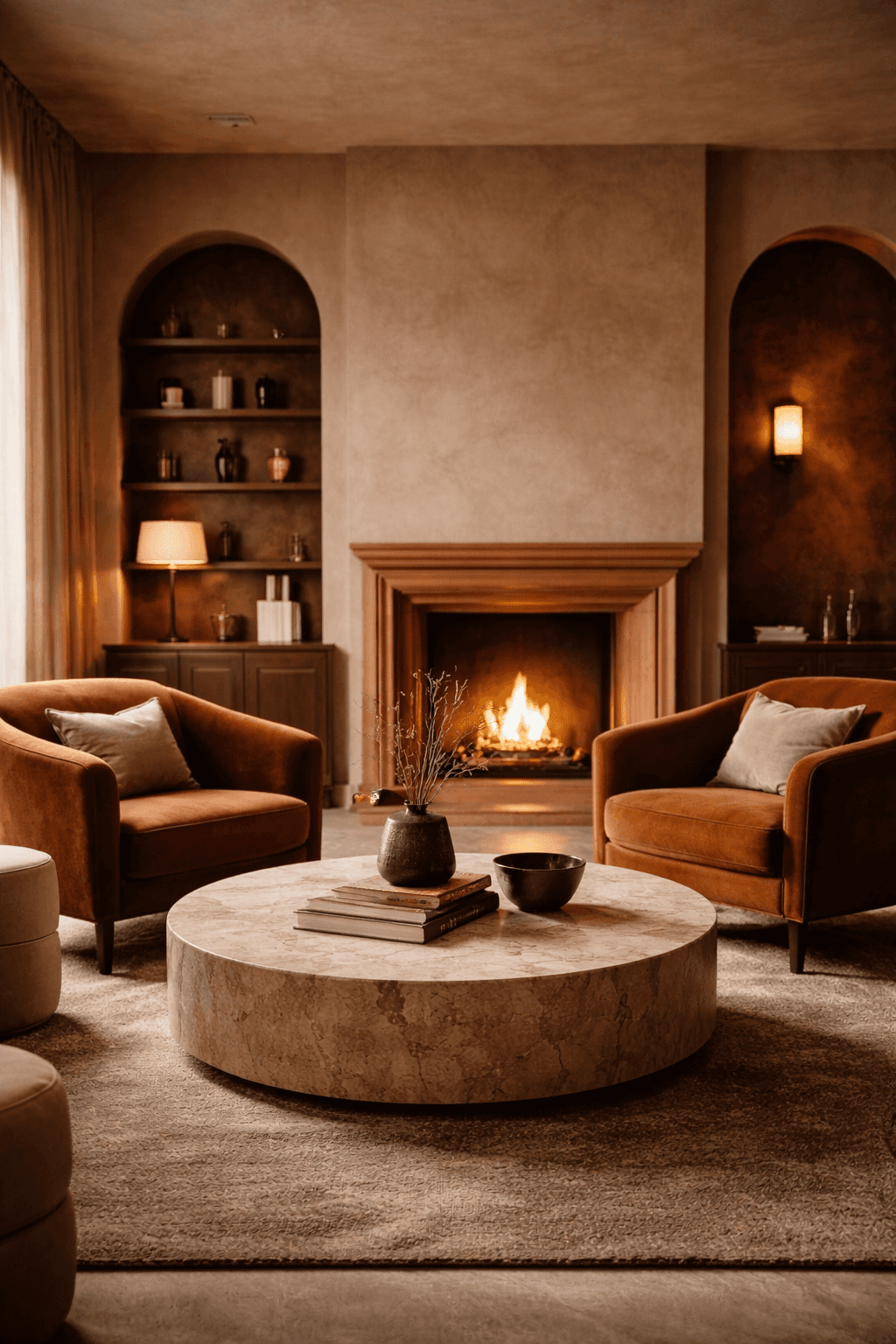
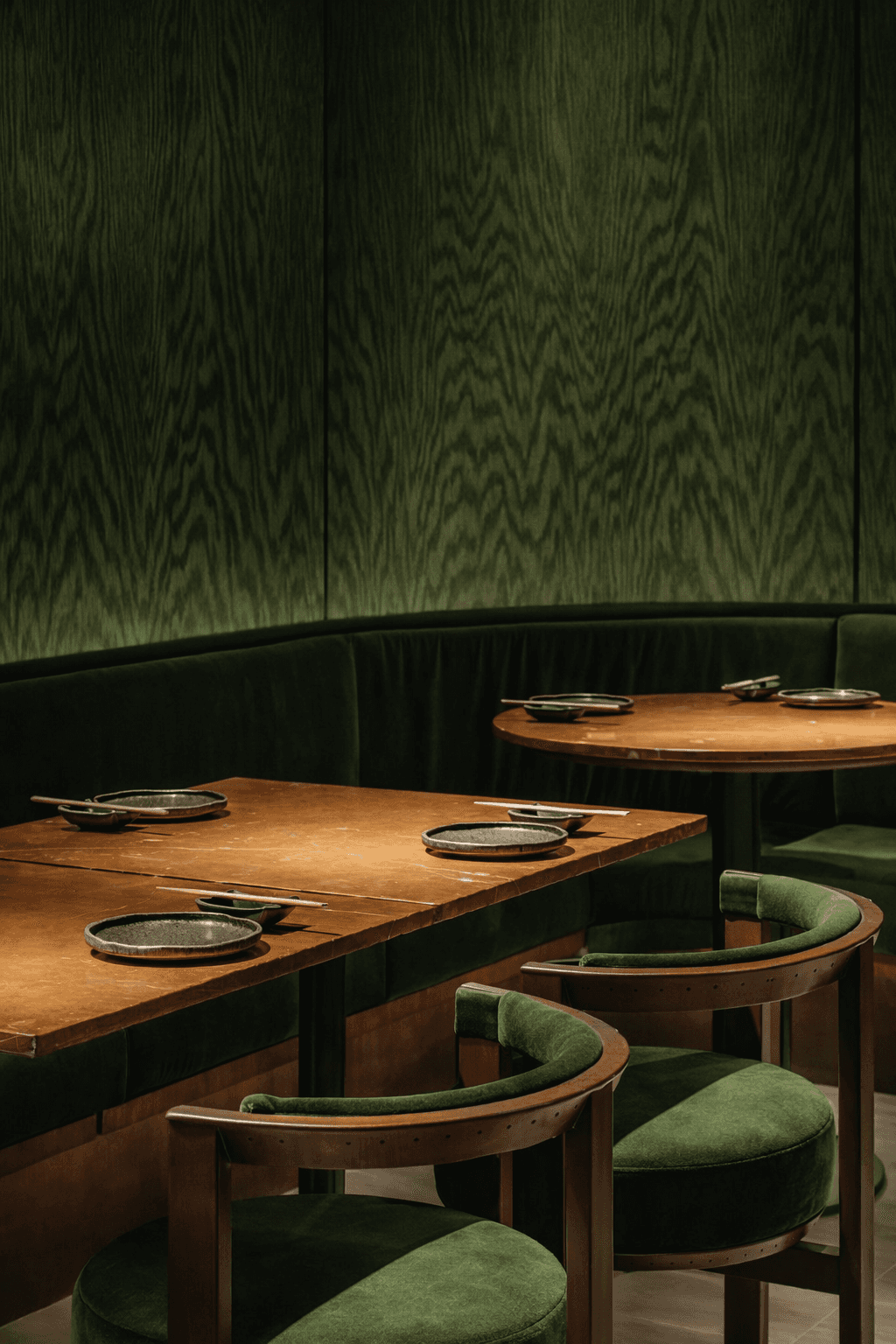
The warmth in this updated version of mid-century modern often comes through materiality first. Richer timber tones, tactile upholstery, woven textures, soft lighting, and more grounded colour palettes all help shift the style away from anything too stark or museum-like. These choices give the interiors a gentler presence, allowing the clean lines of the furniture and architecture to feel more approachable.
Colour also plays an important role in softening the look. Instead of relying heavily on crisp white, bright contrast, or sharper graphic combinations, many of today’s interiors use clay tones, caramel, olive, muted rust, warm neutrals, and softer browns to create a more relaxed atmosphere. This gives the style a greater sense of depth and makes it feel more connected to the broader return of warmth across contemporary design.
The Balance Between Form and Comfort
One of the reasons warm mid-century modern works so well is that it manages to hold onto a sense of design discipline without feeling severe. The furniture still tends to favour clean shapes, elegant profiles, and a strong sense of proportion, but it is now often paired with softer silhouettes, fuller upholstery, and more inviting textures. This keeps the space visually structured while making it feel easier to inhabit every day.
That balance is especially important in homes where people want a clear and considered look, but do not want the interior to feel precious or overly composed. Warm mid-century modern offers enough order to feel timeless, yet enough softness to feel personal and relaxed. It creates rooms that are visually calm, but still full of character and comfort.
Why It Works So Well in Contemporary Homes
Another reason this trend continues to grow is that it fits naturally into a wide range of interiors. Warm mid-century modern can work in period homes, contemporary apartments, family spaces, and more design-led commercial settings because it is rooted in principles rather than one rigid formula. Its emphasis on function, balance, and material richness allows it to adapt easily, whether the surrounding architecture is classic or modern.
It also pairs well with the way many people want to live now. Open-plan spaces benefit from its clarity and structure, while smaller rooms gain from its edited forms and lack of visual heaviness. Because the style values both beauty and practicality, it supports interiors that feel refined without becoming difficult to maintain or emotionally distant.
More Posts