Interiors
The Timeless Interiors of the 70s
-
Lola Yung
The 1970s remains one of the most influential eras in interior design, not because every trend from the decade should be repeated exactly, but because so many of its strongest qualities still resonate now. It was a period that embraced warmth, comfort, texture, and individuality, creating spaces that felt lived in rather than overly formal. Even today, many of the elements associated with 70s interiors continue to inspire modern homes looking for a richer and more characterful atmosphere.
A Warmer Approach to Living
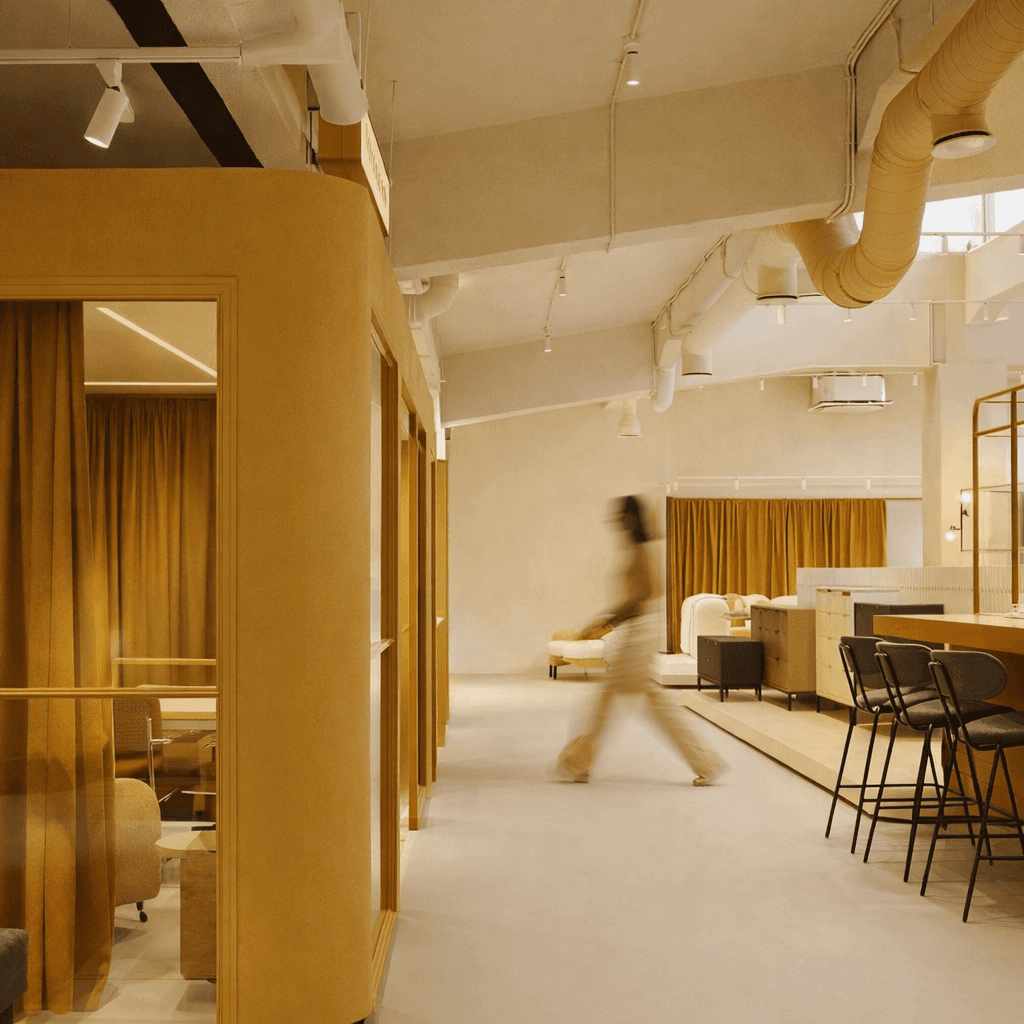
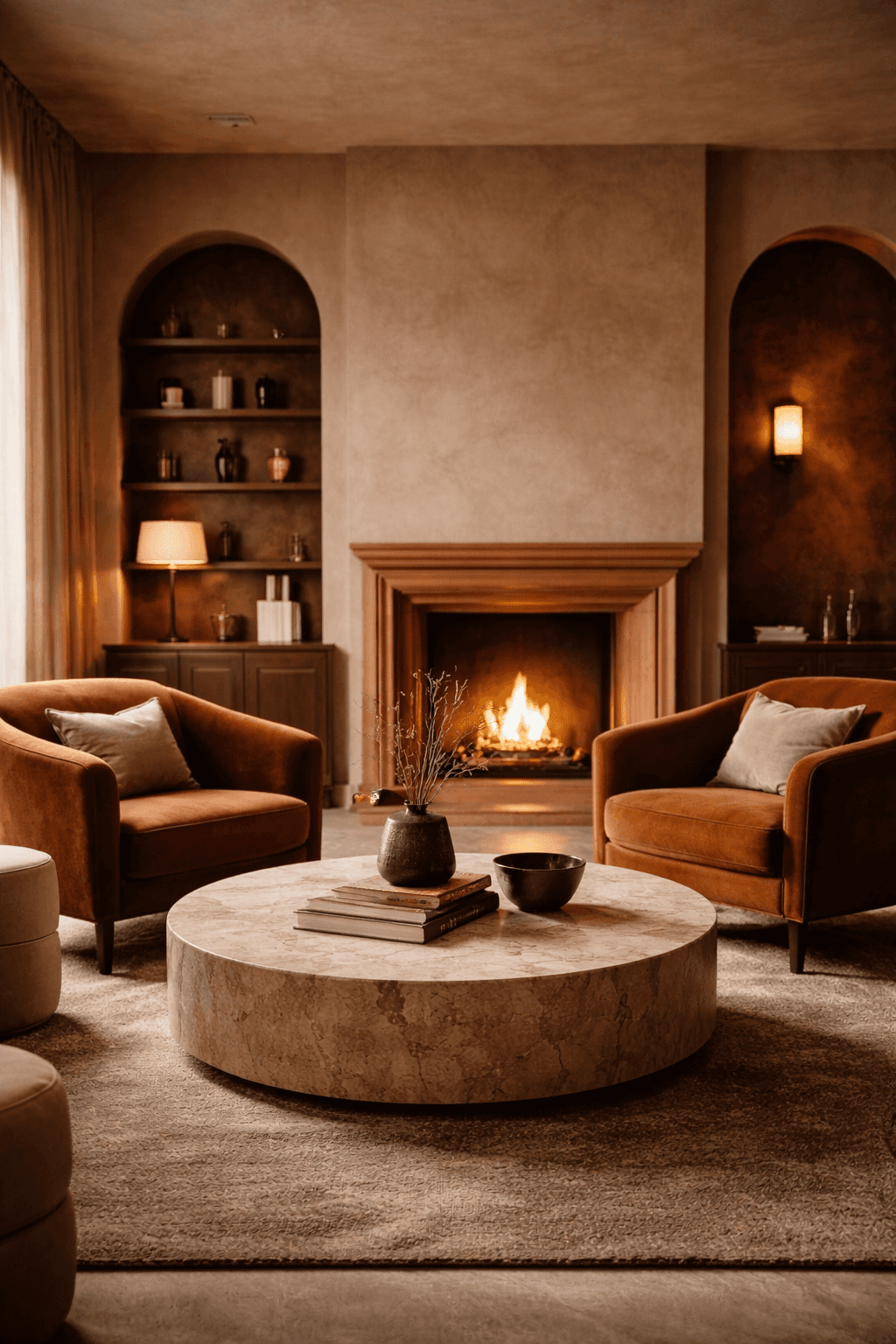
One of the most enduring qualities of 70s interiors is their warmth. Unlike spaces that rely heavily on stark contrast or colder minimal palettes, interiors from this period often felt softer, earthier, and more enveloping. Browns, ochres, rusts, creams, olive tones, and warm woods gave homes a sense of depth and comfort that many contemporary interiors are once again embracing.
This warmth was not only about colour, but also about mood. Rooms were designed to feel relaxed and welcoming, with furniture that encouraged lounging, conversation, and a slower pace of living. That emotional softness is one of the main reasons the era still feels relevant today, especially as more people look for interiors that feel grounding rather than purely polished.
Texture as a Design Language
The 70s also understood the power of texture in a way that still feels highly instructive. Interiors from the period often layered timber, woven materials, velvet, bouclé, leather, stone, and tactile fabrics to create rooms that felt rich without depending on overly decorative styling. Texture gave these spaces depth and identity, allowing even a simple palette to feel full and visually engaging.
This is one of the clearest links between 70s interiors and many of today’s most successful homes. Modern design may be more edited, but the desire for tactile spaces has not disappeared. In fact, as many people move away from interiors that feel too flat or clinical, the layered material approach of the 70s feels more relevant than ever.
Why the Era Still Feels Modern
Part of what makes 70s interiors so enduring is that many of their strongest features translate beautifully into contemporary spaces. Curved furniture, sculptural lighting, low-slung seating, warm woods, and earthy palettes all continue to appear in modern homes, though often in a more refined or restrained form. These elements bring softness and character without feeling tied to one rigid style.
The decade also had a strong instinct for atmosphere. Lighting was often softer, rooms were arranged with comfort in mind, and interiors were allowed to feel personal rather than overly controlled. That human quality is something many modern spaces are still trying to achieve, which is why the spirit of 70s design continues to return in new forms.
Using 70s Influence Without Feeling Dated
The key to drawing from 70s interiors today is not to recreate the decade literally. A more timeless approach is to borrow its strongest ideas — warmth, tactility, softer forms, and a sense of ease — while pairing them with cleaner lines and a more edited overall composition. This allows a space to reference the richness of the era without slipping into pastiche.
A warm timber finish, a curved statement chair, textured upholstery, or a grounded earthy palette can all bring that influence into a home in a subtle and contemporary way. When used selectively, these elements can add depth and personality while still allowing the interior to feel current, balanced, and long-lasting.
More Posts