Design Trends
Why Dark Oak Textured Finishes Are Defining Modern Interiors
-
Johnny Simmons
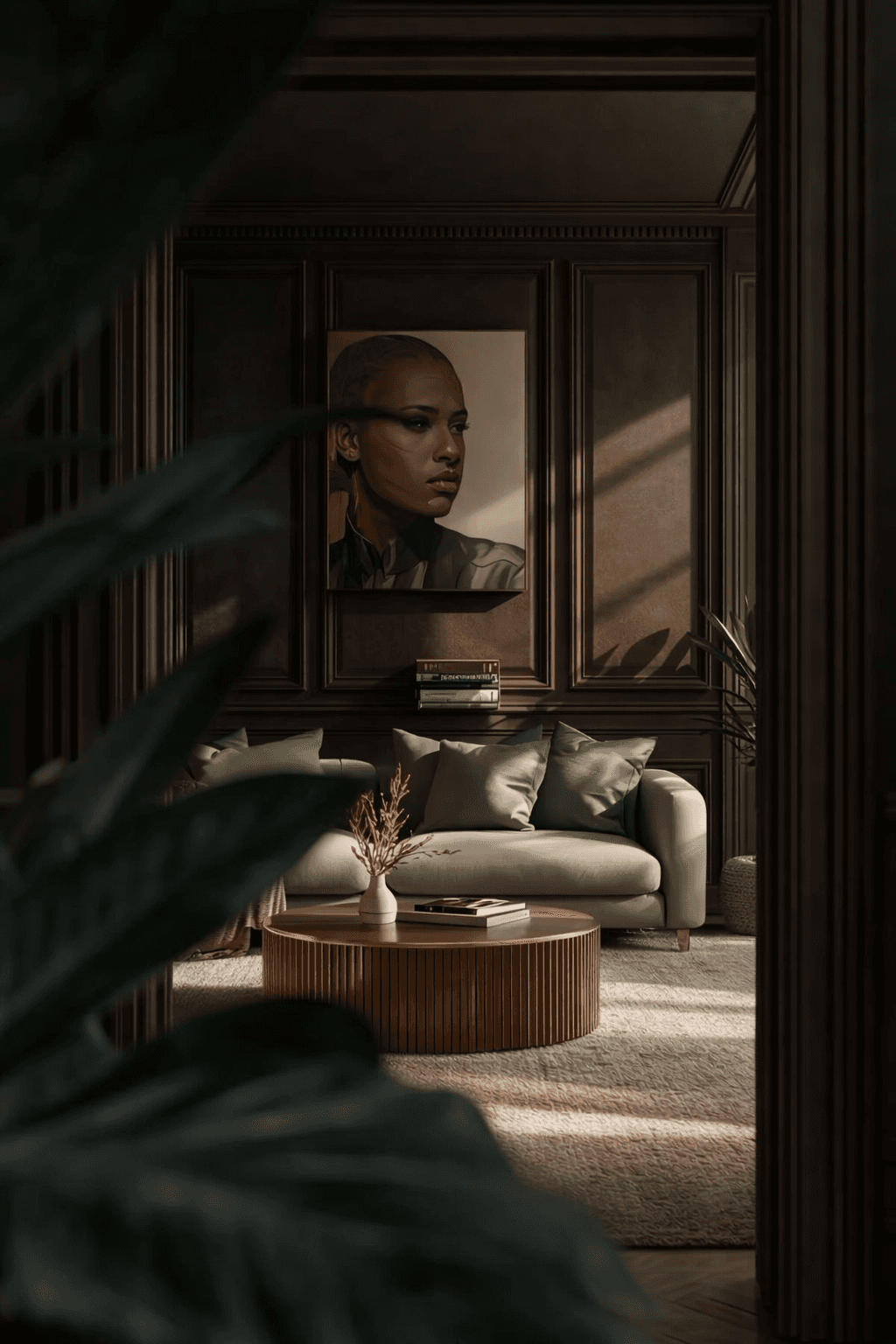
In recent years, dark oak textured finishes have become one of the most defining features of modern interior design. Their appeal lies not only in their visual richness, but in the way they add warmth, grounding, and material depth to spaces that might otherwise feel too flat or overly minimal. As interiors continue to move toward a more tactile and emotionally resonant aesthetic, dark oak has emerged as a finish that feels both timeless and distinctly current.
What makes it especially powerful is its versatility. Dark oak can feel architectural, soft, dramatic, or understated depending on how it is used, making it suitable for everything from residential homes to hospitality settings and commercial interiors. It offers a sense of maturity and quiet confidence that many lighter, more generic finishes simply do not achieve in the same way.
A Richer Alternative to Flat Minimalism
One reason dark oak has become so prominent is that many interiors are moving away from colder, flatter forms of minimalism. While clean lines and restrained palettes still remain popular, there is now a stronger desire for spaces that feel layered and substantial rather than stark. Dark oak responds to that shift beautifully by adding depth without requiring heavy ornament or overt decoration.
Its grain and tonal variation give surfaces more presence, helping cabinetry, wall panelling, furniture, and joinery feel more considered and refined. This richness allows a space to maintain a minimalist clarity while still feeling warm and emotionally engaging. In that sense, dark oak acts as a bridge between simplicity and atmosphere.
What Makes Dark Oak So Effective
It adds depth without visual clutter: Dark oak has enough character to create impact on its own, which means a space can feel richer without needing excessive layering or decoration. This makes it especially useful in interiors that aim for restraint but still want to avoid feeling plain.
It brings warmth to contemporary spaces: Many modern interiors feature stone, metal, plaster, and glass, all of which benefit from a warmer counterbalance. Dark oak introduces that warmth in a way that feels natural, grounded, and sophisticated.
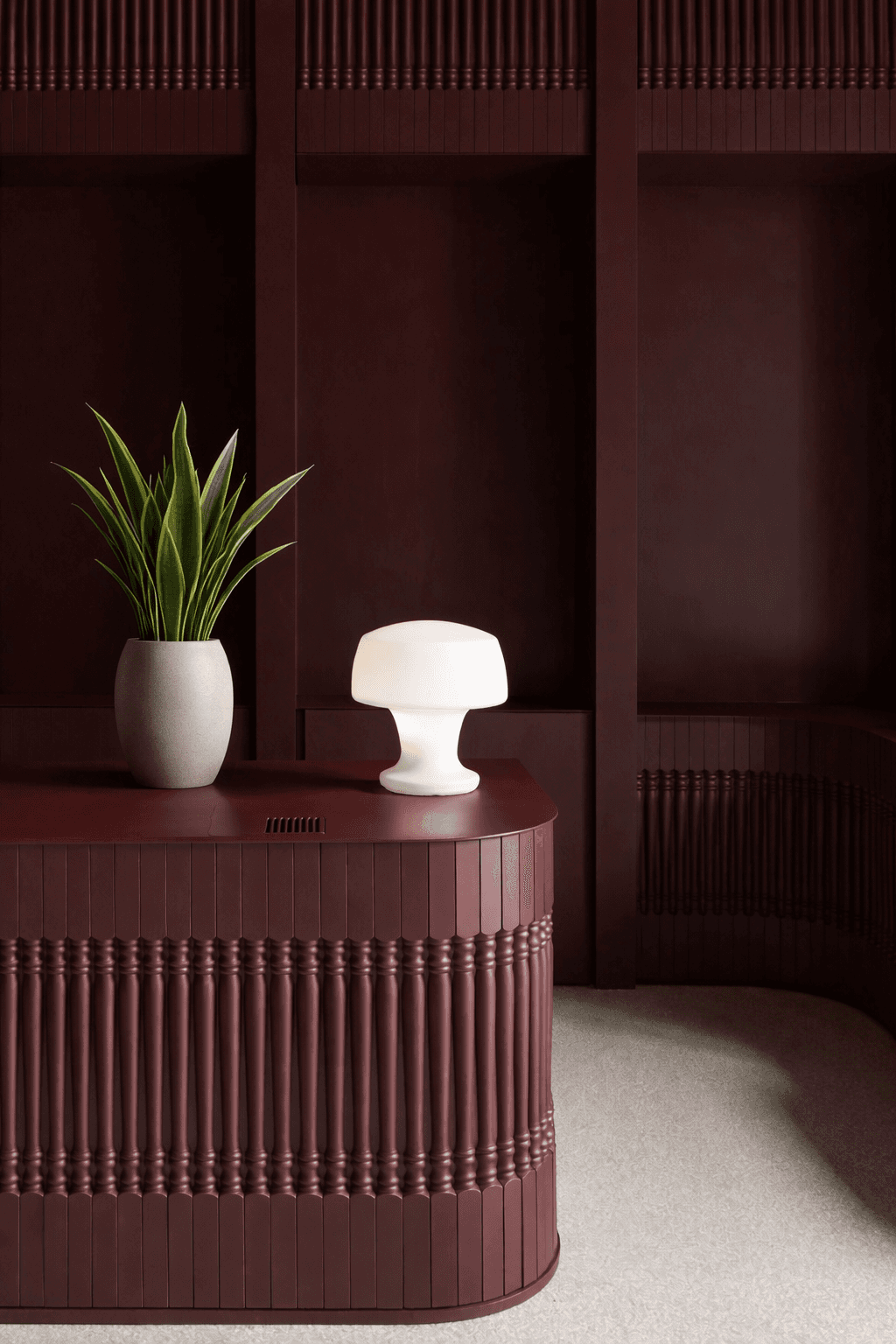
It feels tactile and architectural: Because the grain is often visible and expressive, dark oak brings texture as well as colour. This gives joinery, furniture, and built-in details a more sculptural and crafted quality.
It works across different styles: Dark oak can support a wide range of aesthetics, from warm minimalism and mid-century influences to more classic, luxury, or hospitality-led spaces. Its flexibility is one of the reasons it continues to appear across so many contemporary interiors.
The Role of Texture in Modern Interiors
Texture has become increasingly important in contemporary design, especially as people seek interiors that feel more sensory and less one-dimensional. Smooth surfaces still have their place, but rooms often feel far more resolved when there is some tactile contrast present. Dark oak textured finishes offer exactly that, introducing grain, depth, and natural variation into spaces that might otherwise feel too controlled.
This is especially important in larger or more open-plan interiors, where visual warmth needs to come from surfaces as much as from furnishings. A dark oak kitchen, wall detail, or fitted storage piece can anchor a room and give it a stronger material identity. It helps the space feel intentional and layered, even when the palette remains fairly restrained.
Why It Feels Luxurious Yet Timeless
Part of what makes dark oak so appealing is that it communicates luxury in a quieter, more enduring way than many trend-driven finishes. It does not rely on gloss, obvious contrast, or dramatic statement for effect. Instead, it creates a sense of quality through richness, substance, and the visual weight of natural material used well.
More Posts