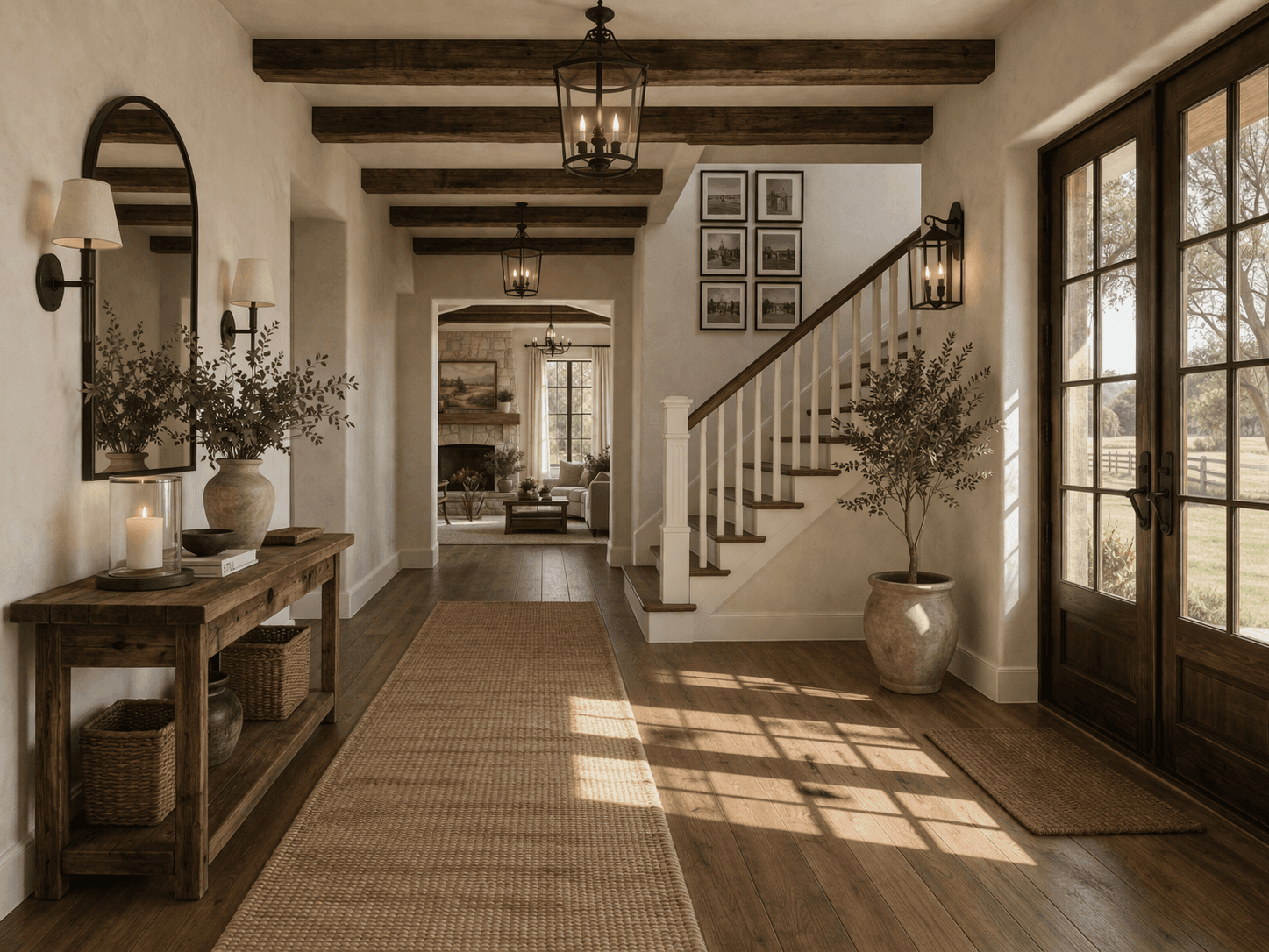
110 Baker Street
Project
—
Residential
Designed for modern family living, this home blends warmth, practicality, and understated elegance — bringing together calm neutral layers, thoughtful storage, and flexible spaces.
Location
London, United Kingdom
Category
Residential
Year
2022
110 Baker Street was designed as a home for everyday family life, with a focus on comfort, function, and timeless appeal. The clients wanted the house to feel elevated and cohesive, but never overly formal or delicate. It needed to support the realities of a busy household while still offering moments of calm, beauty, and softness throughout the space.
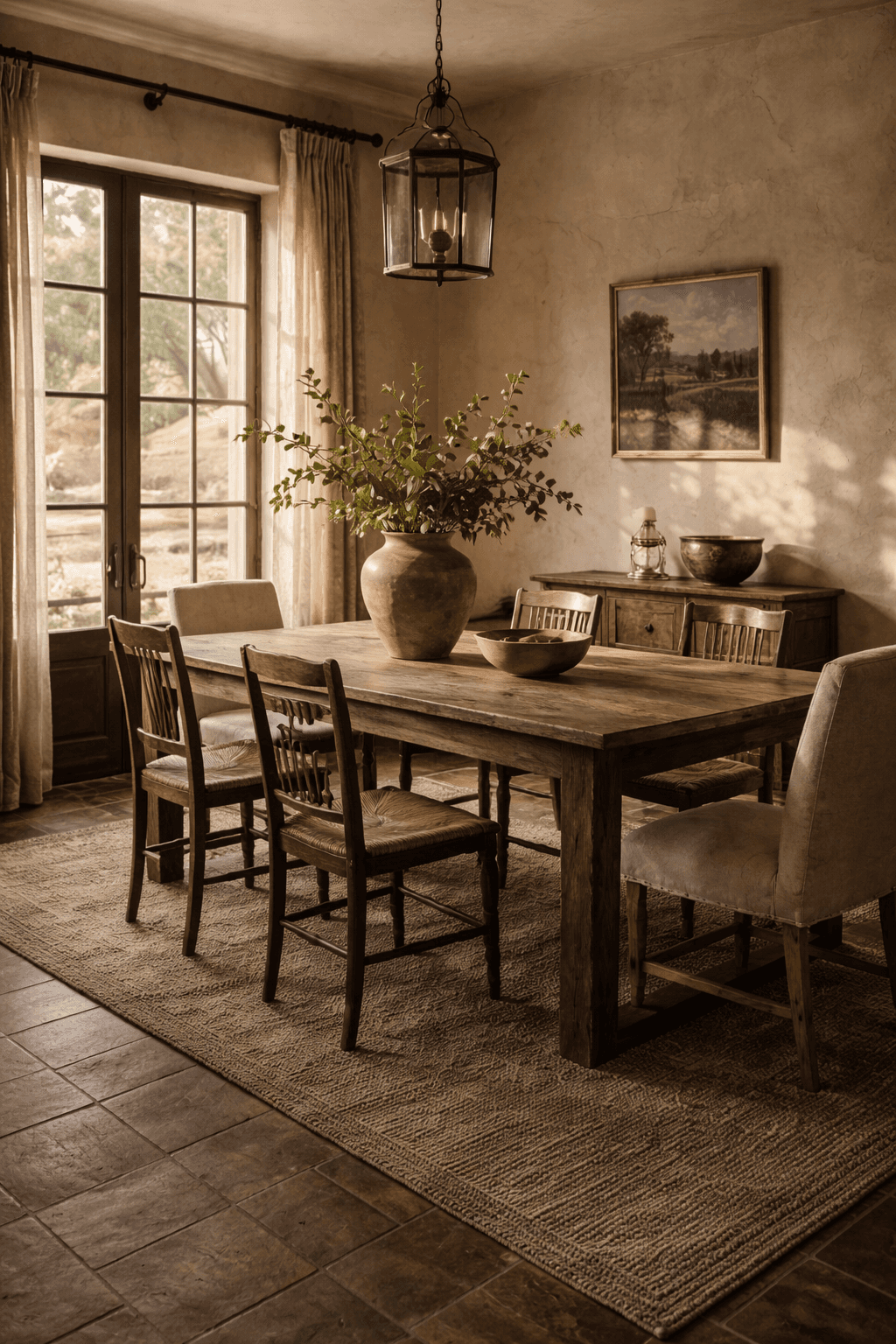
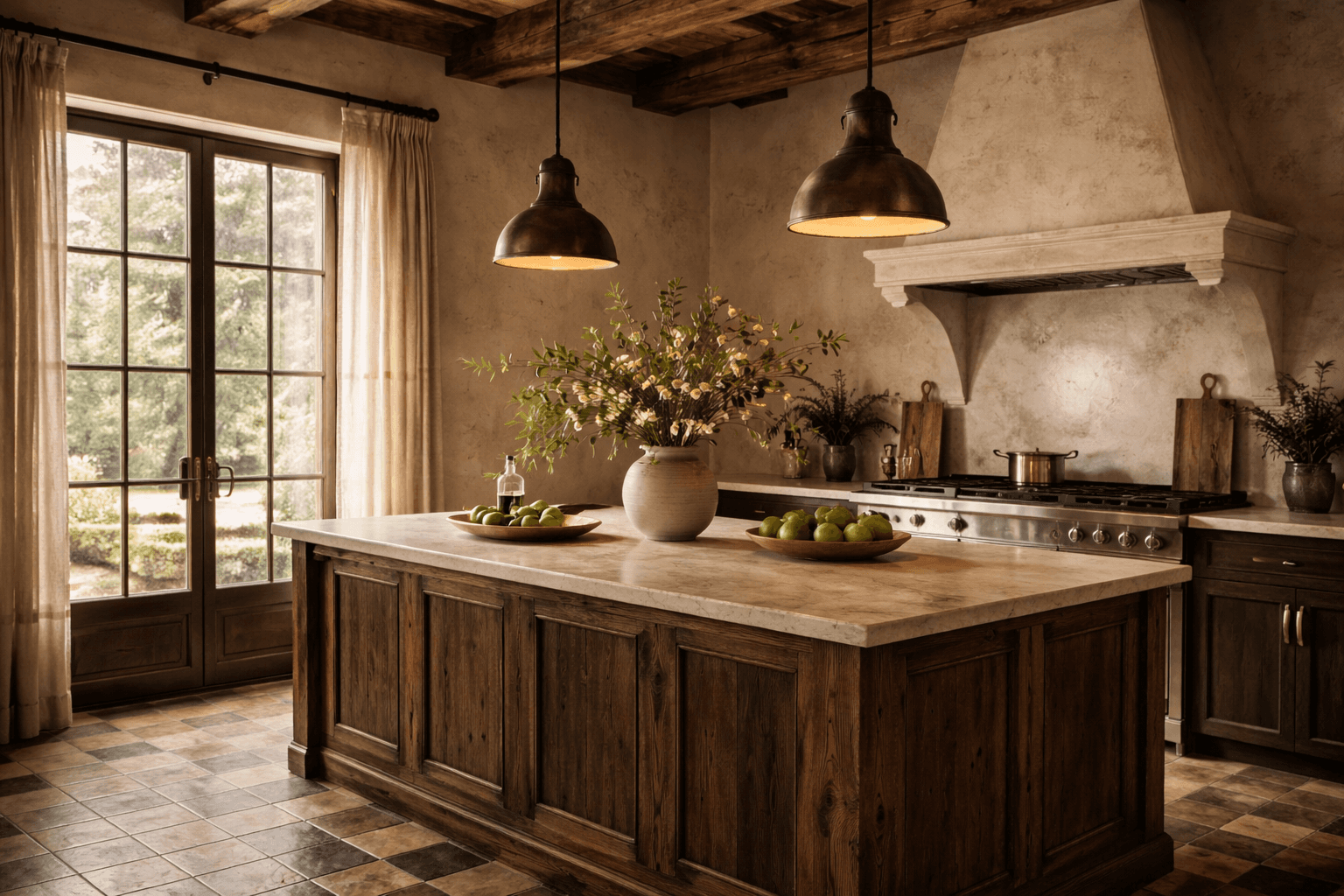
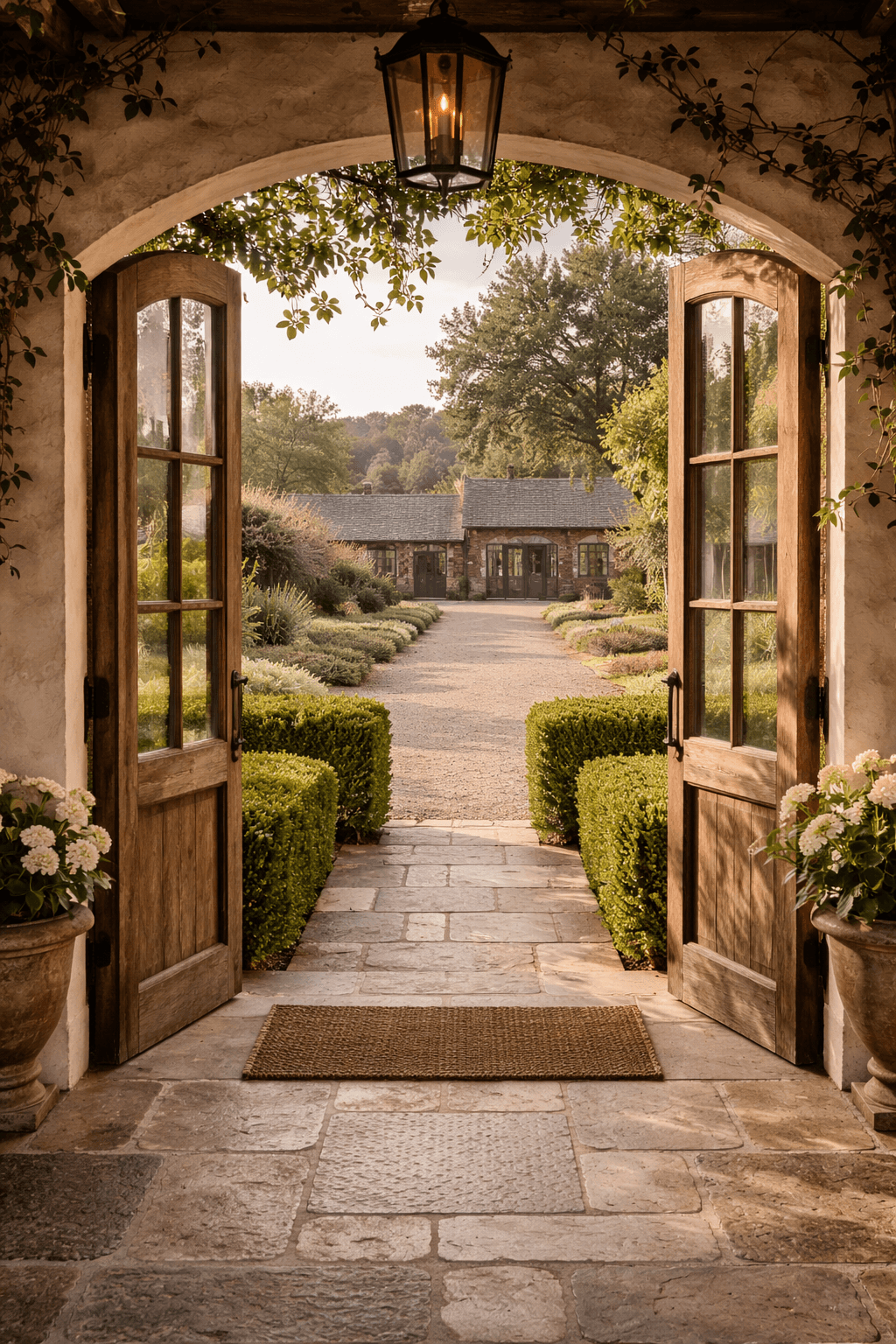

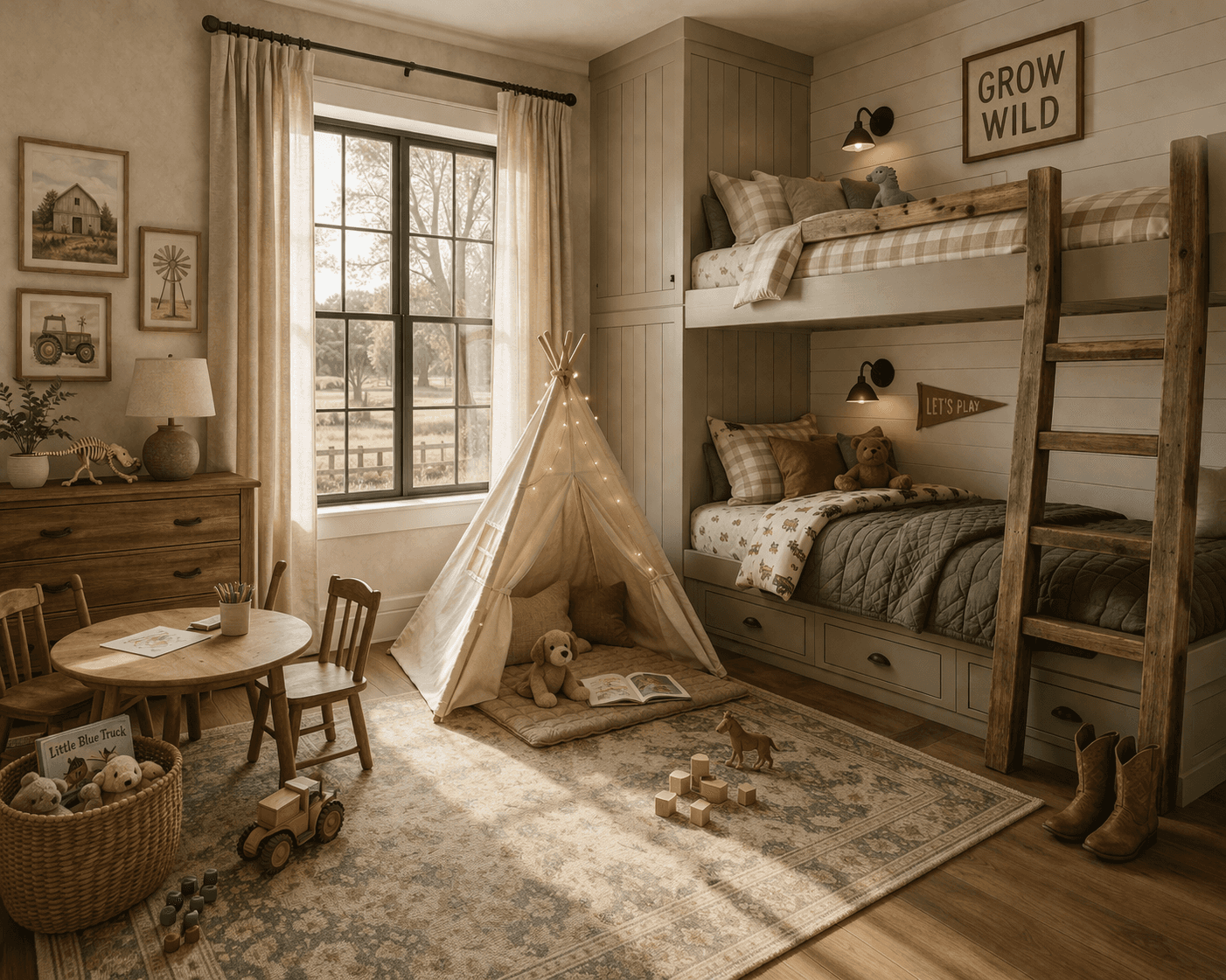
From the beginning, the aim was to create an interior that felt warm and liveable rather than overly styled. The design approach centred on natural textures, gentle contrast, and a palette that would bring light and ease into the home. Each room was considered not only for how it looked, but for how it would support the rhythms of daily life, from school mornings to family dinners and quiet evenings in.
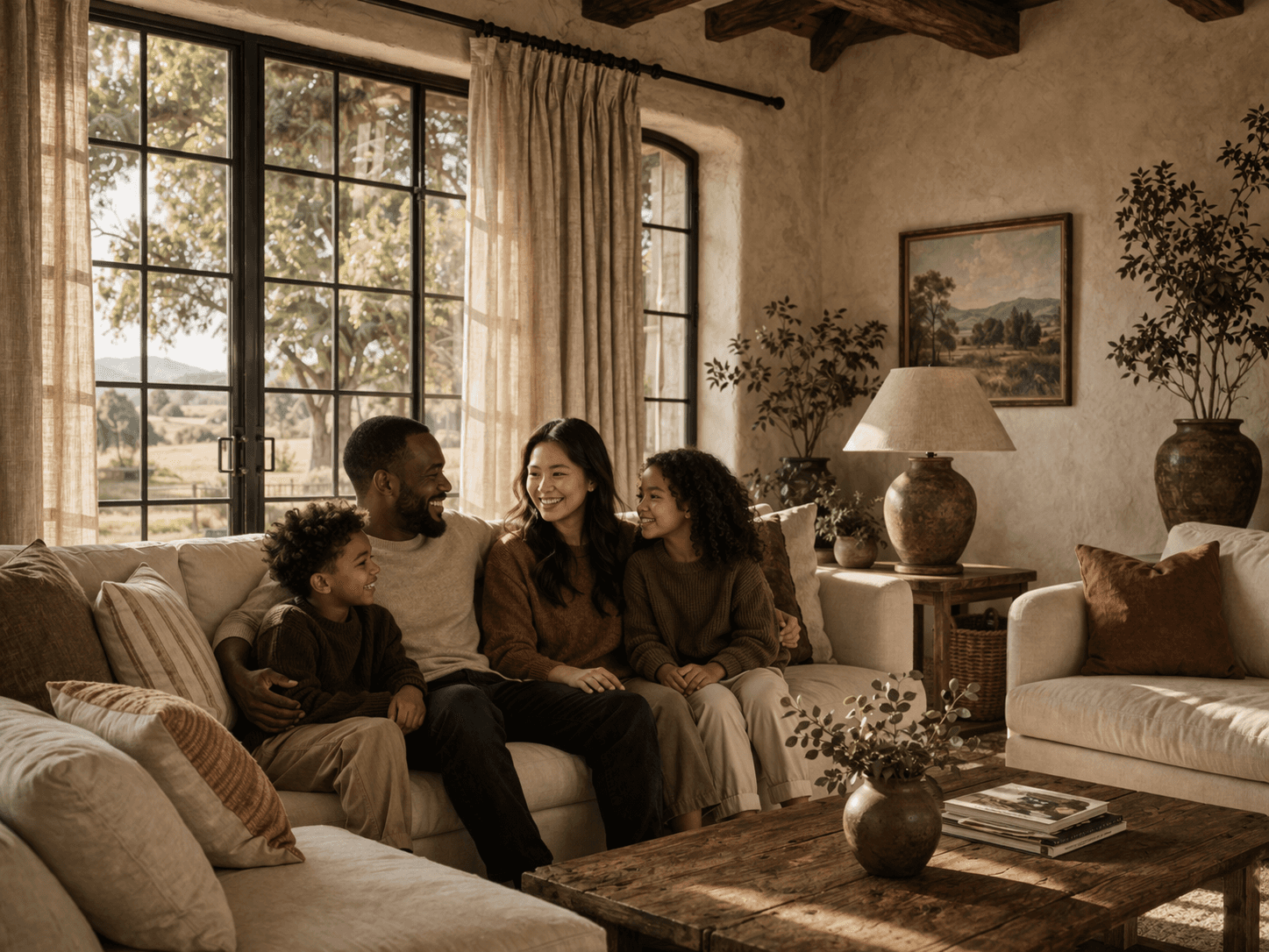
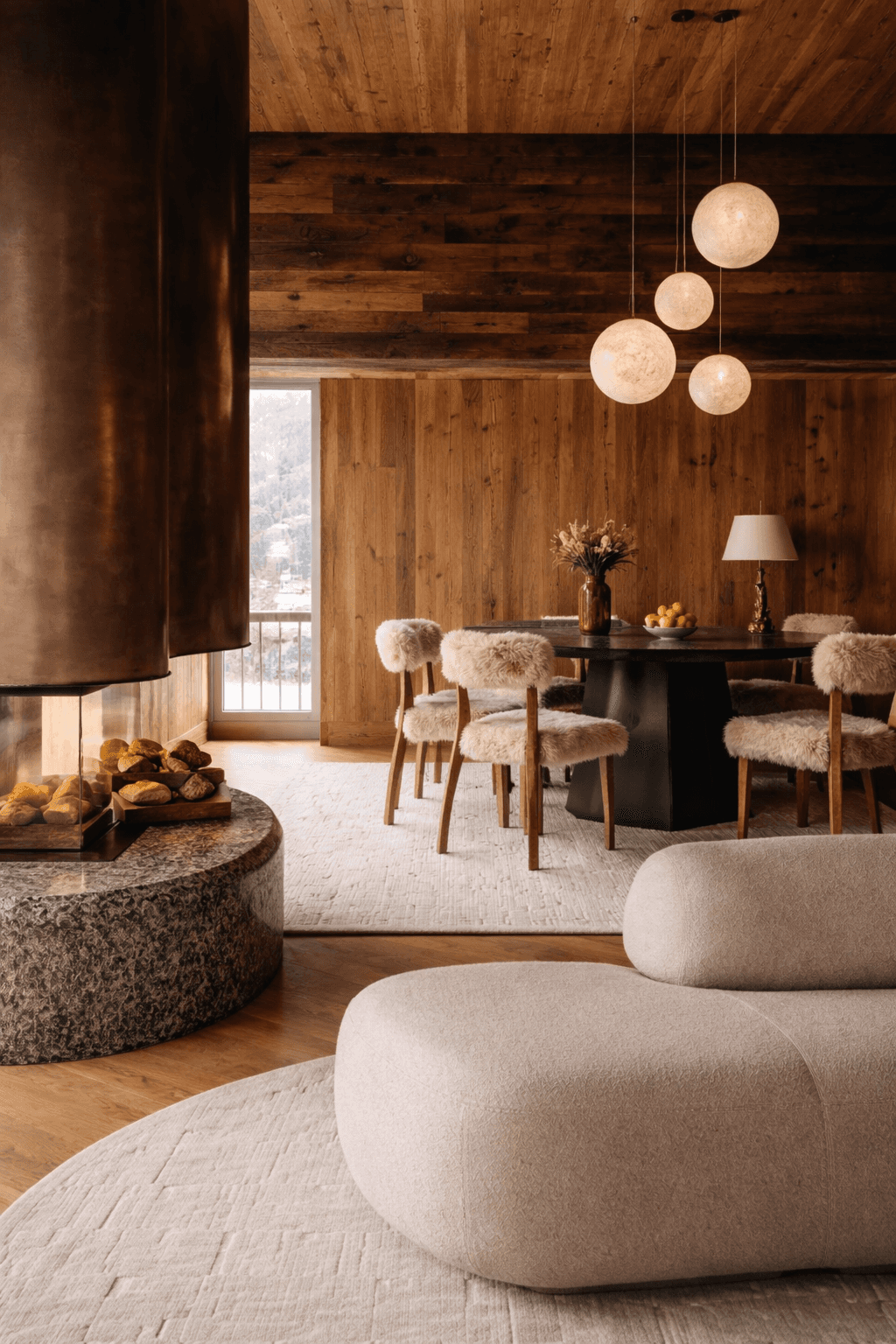
A major part of the project focused on improving flow across the shared living areas. The original layout felt slightly disconnected, with spaces that worked individually but lacked a stronger sense of continuity. By refining the arrangement of furniture, circulation, and visual sightlines, the home was reworked to feel more open, intuitive, and connected from one area to the next.
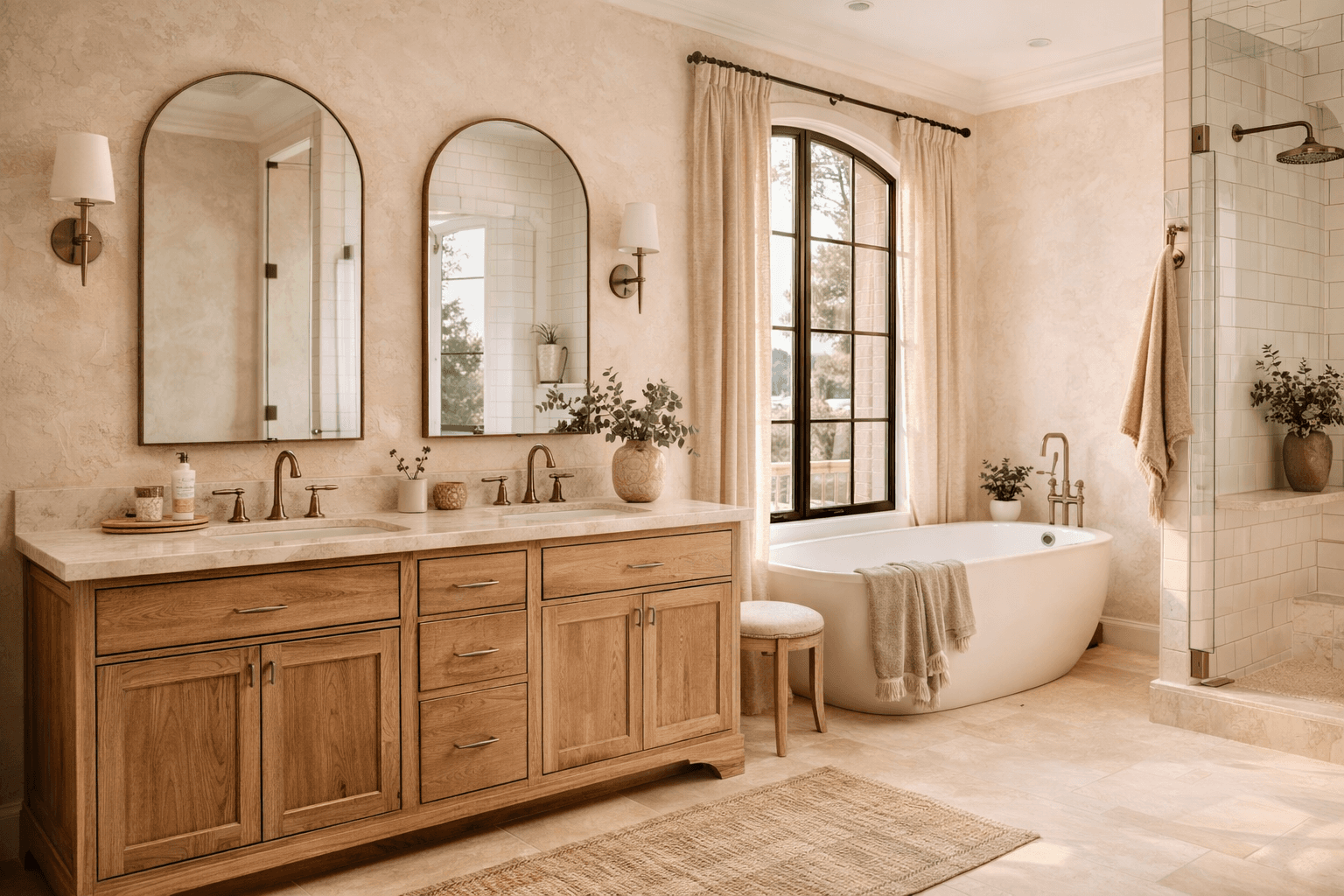
Material choices were guided by the desire to create a home that felt durable yet inviting. Natural wood tones, soft stone-inspired finishes, and warm neutral textiles were layered throughout the interior to give the house depth without making it feel heavy. These materials were selected not only for their visual quality, but also for how well they would wear over time in a busy household.
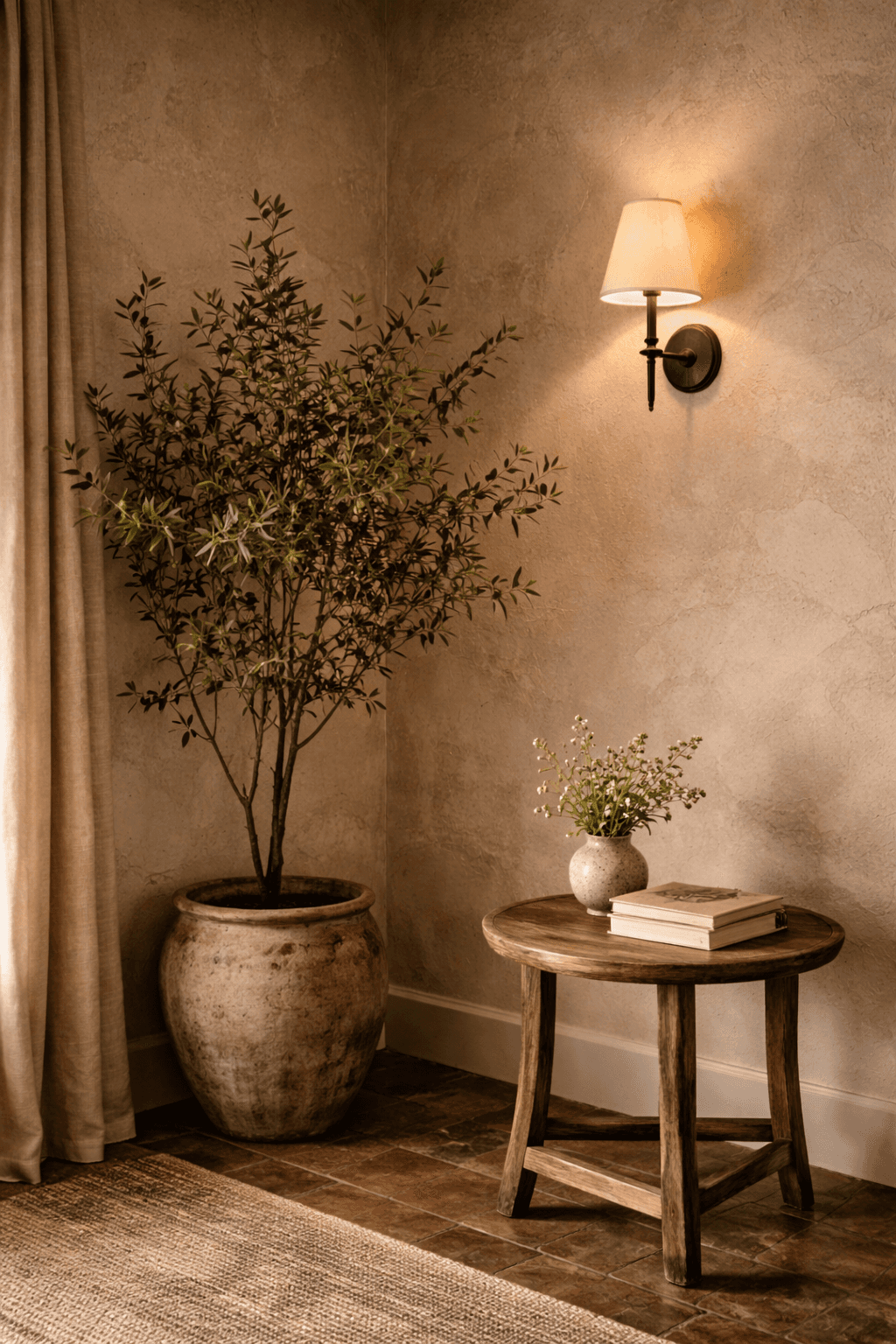
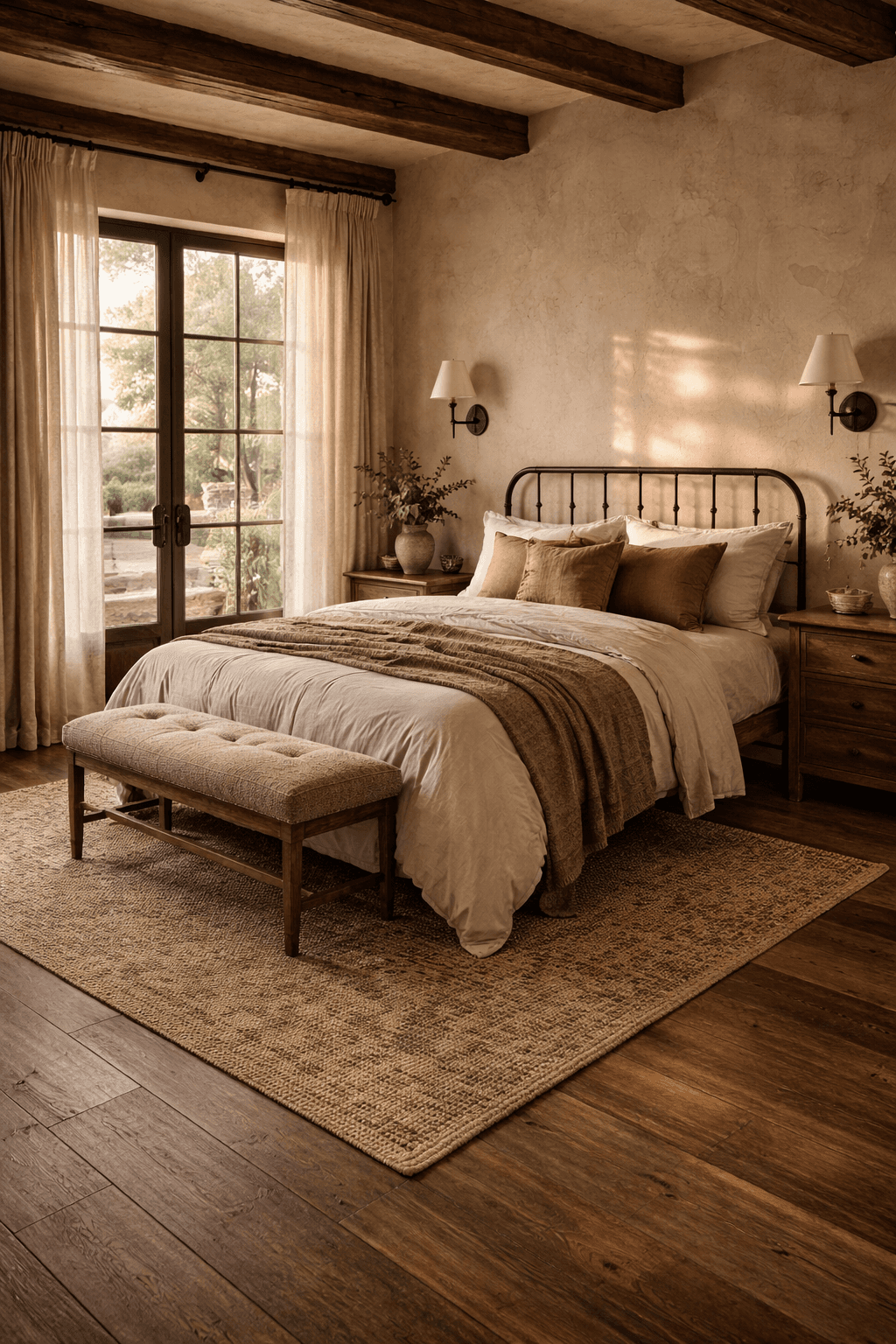
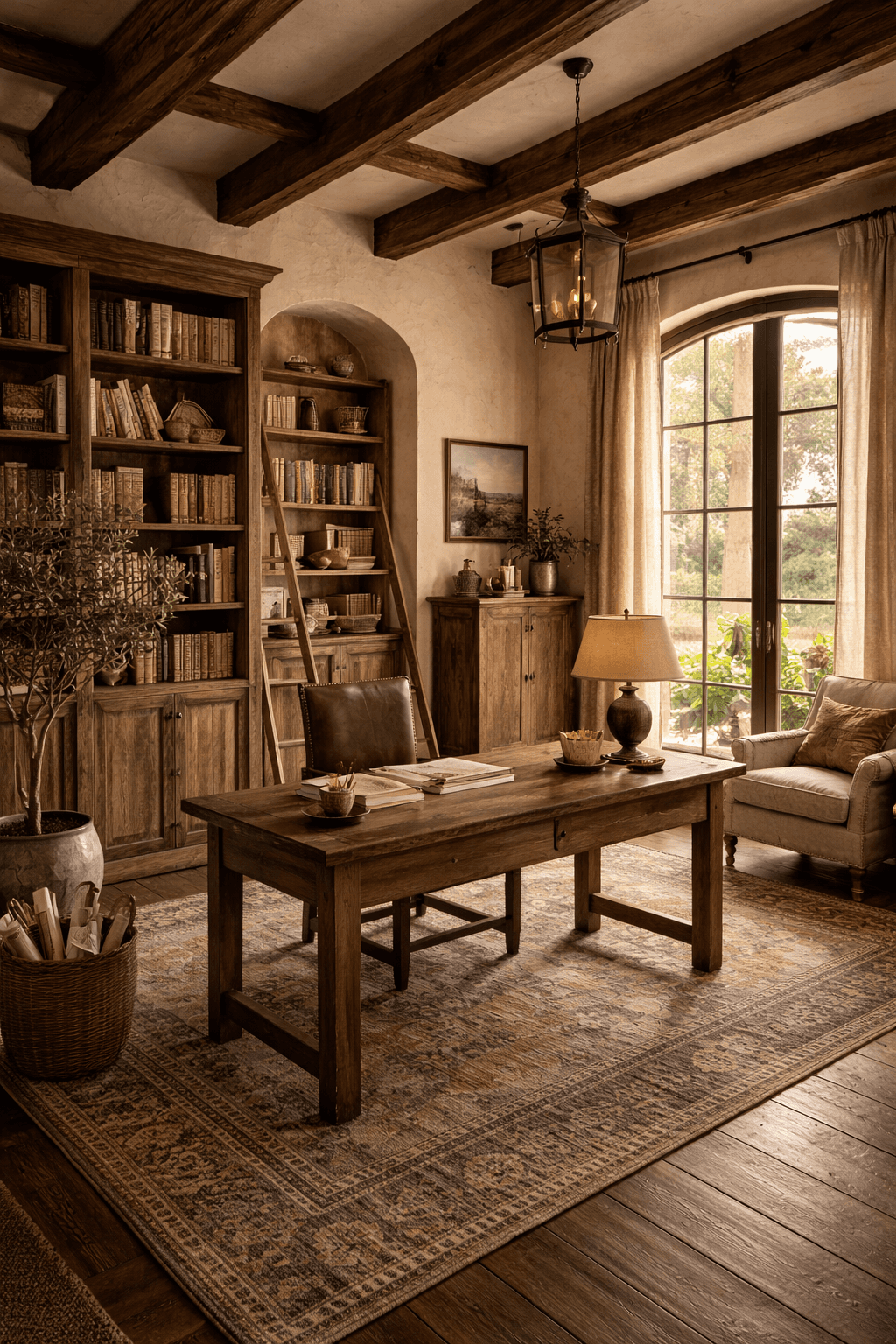
Storage and practicality were essential to the success of the project. For a family home to function well, it needed integrated solutions that could reduce visual clutter without making the rooms feel too built-in or rigid. Custom storage moments, flexible furniture choices, and a more intentional use of overlooked areas helped make the house feel lighter, tidier, and easier to maintain.