The Ember Guesthouse
Project
—
Hospitality
Designed as an intimate city retreat, this guest house balances rich tonal warmth, clean contemporary lines, and softly layered textures to create a hospitality experience that feels calm, characterful, and quietly refined.
Location
Singapore
Category
Hospitality
Year
2025
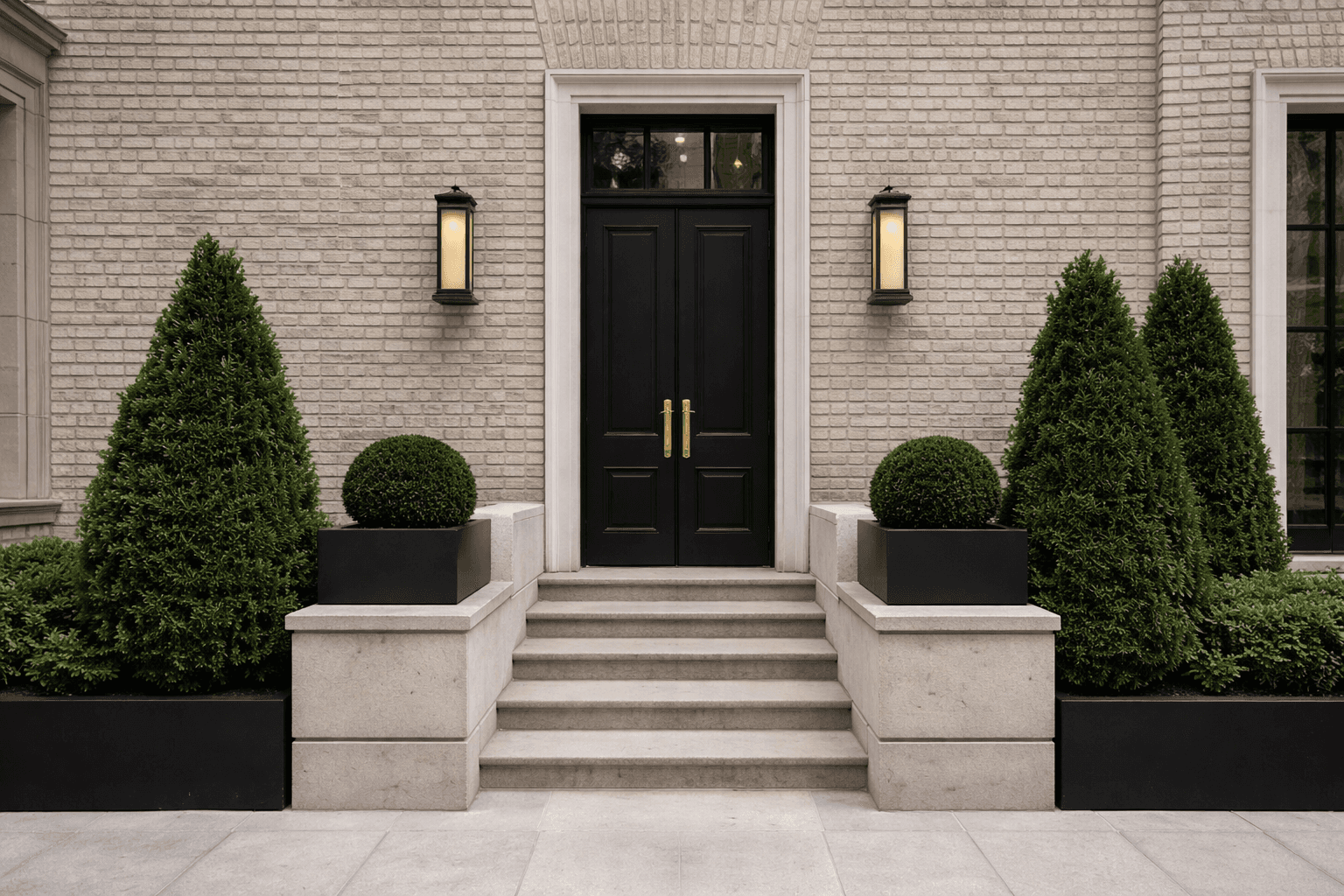
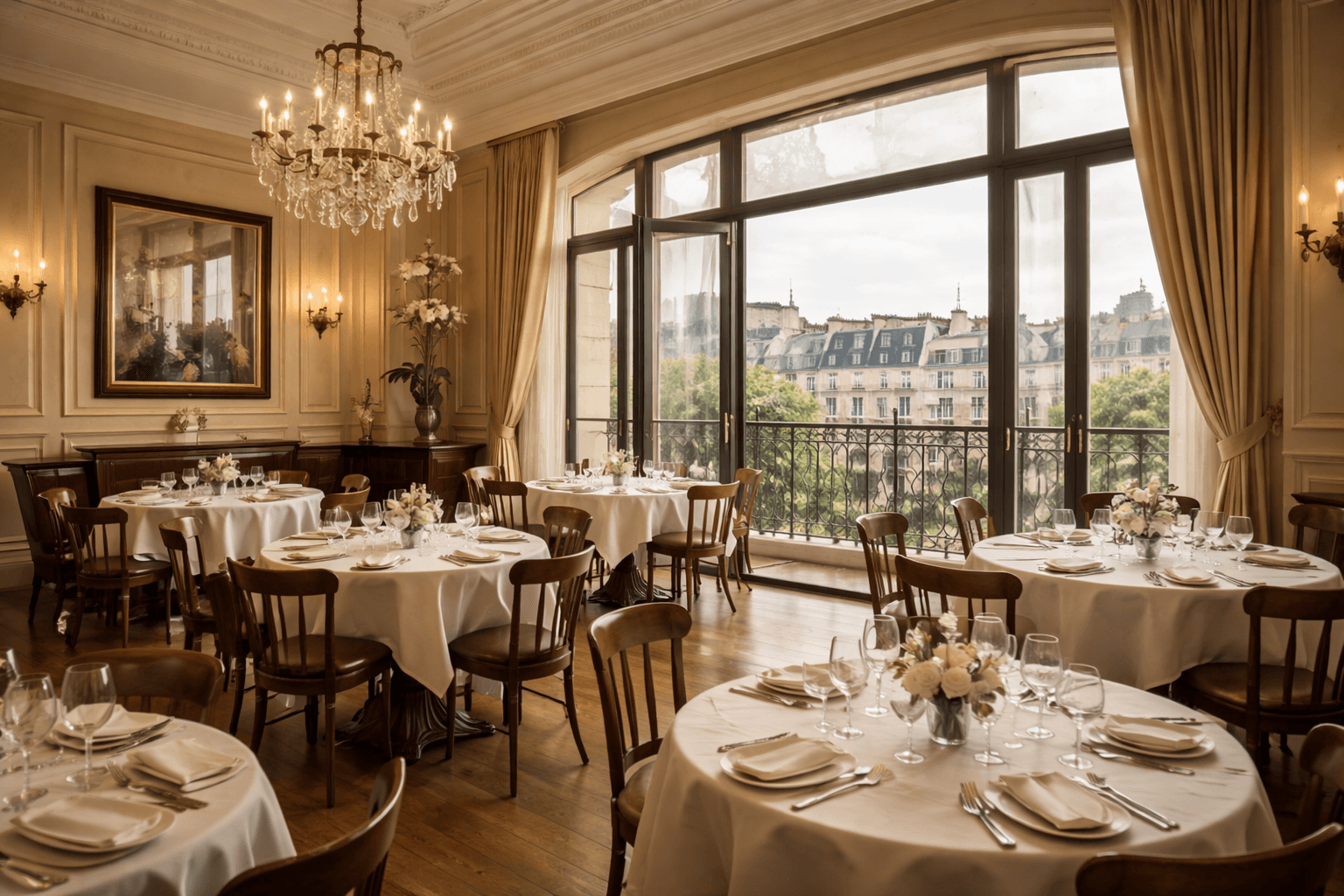
The Ember Guest House was conceived as a smaller hospitality space with a strong sense of atmosphere and identity. Located in Singapore, the project needed to feel distinct from larger, more impersonal hotel environments, offering guests something more intimate, design-led, and emotionally resonant. The aim was to create a place that felt welcoming from the outset, while still carrying a polished and memorable visual point of view.
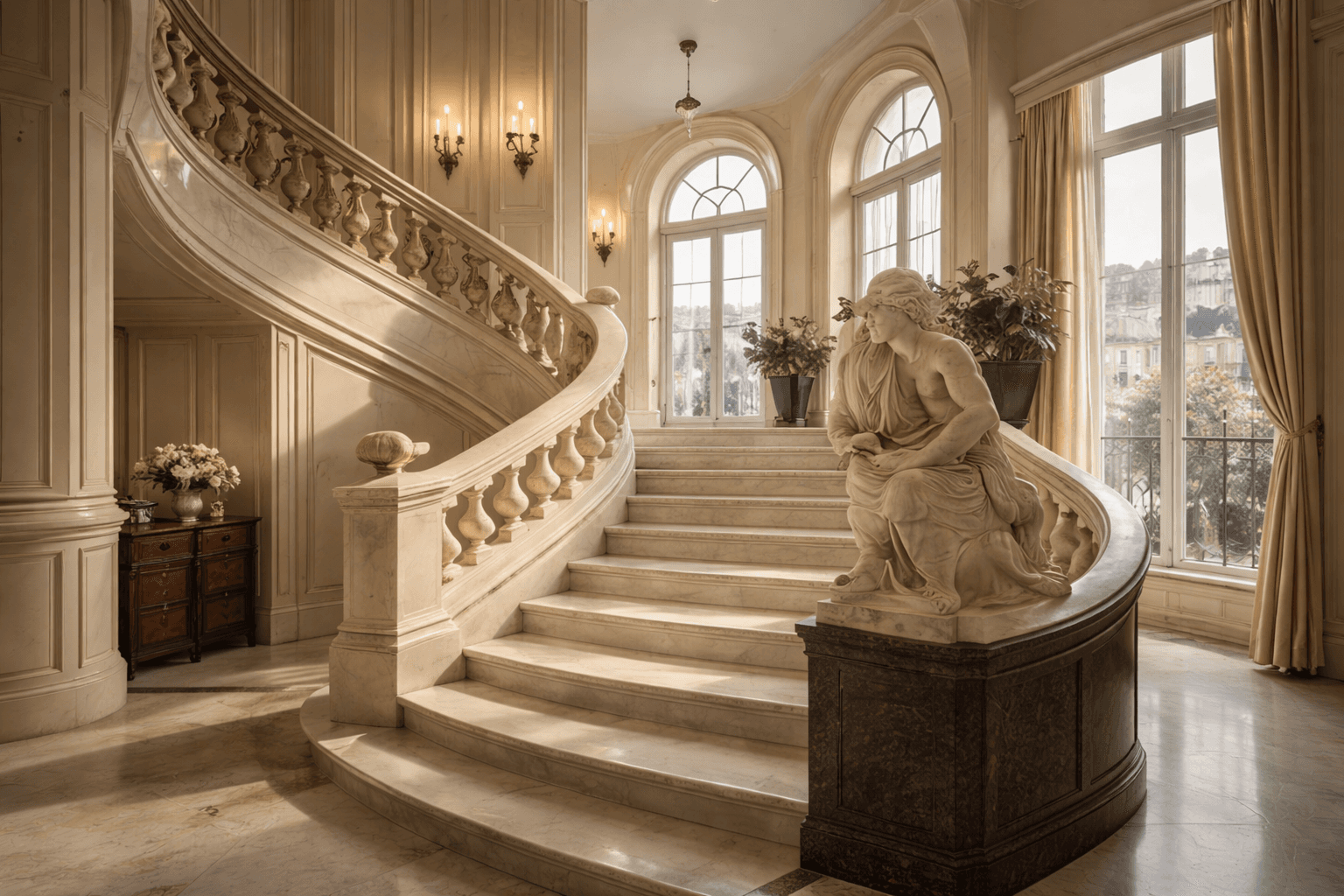
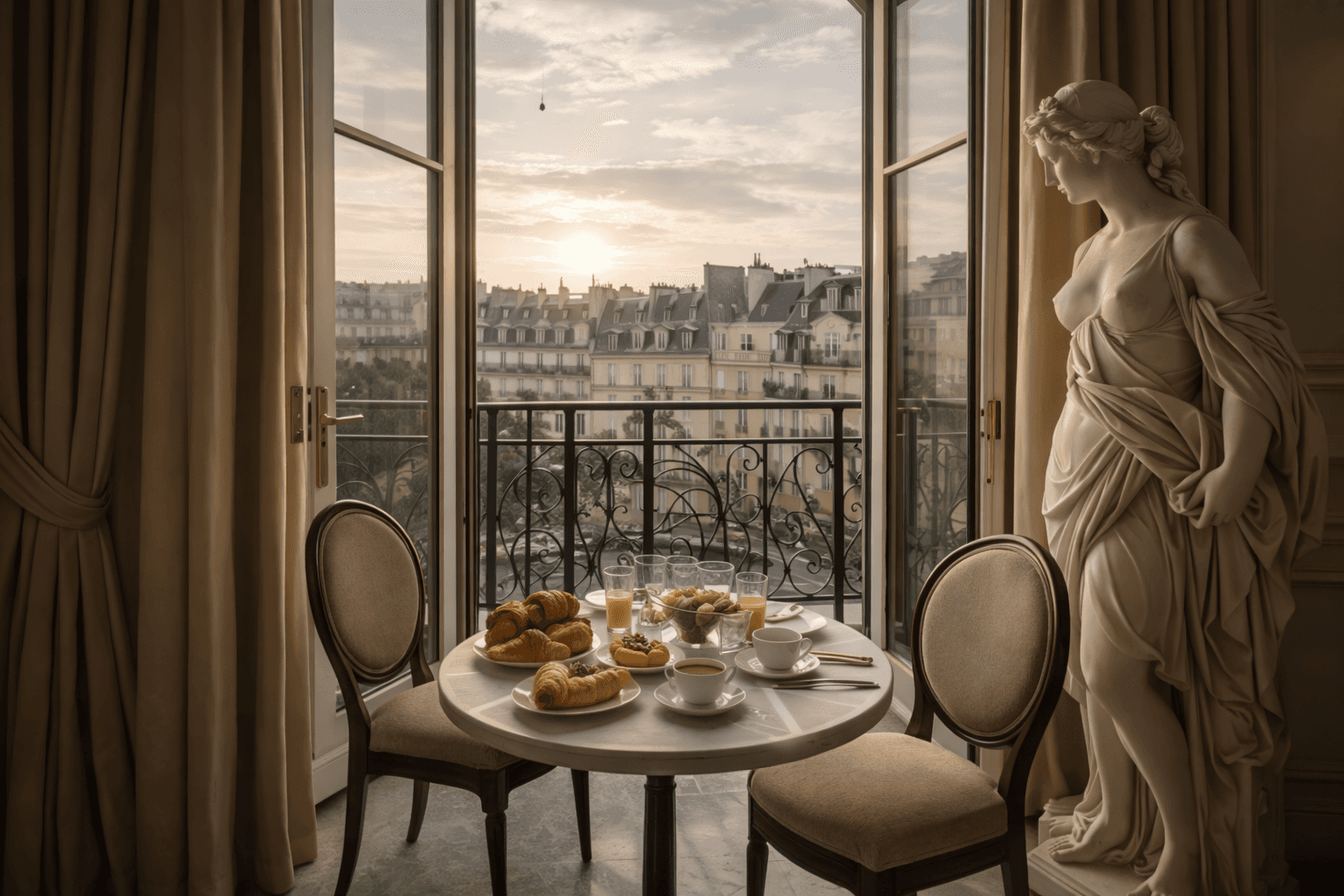
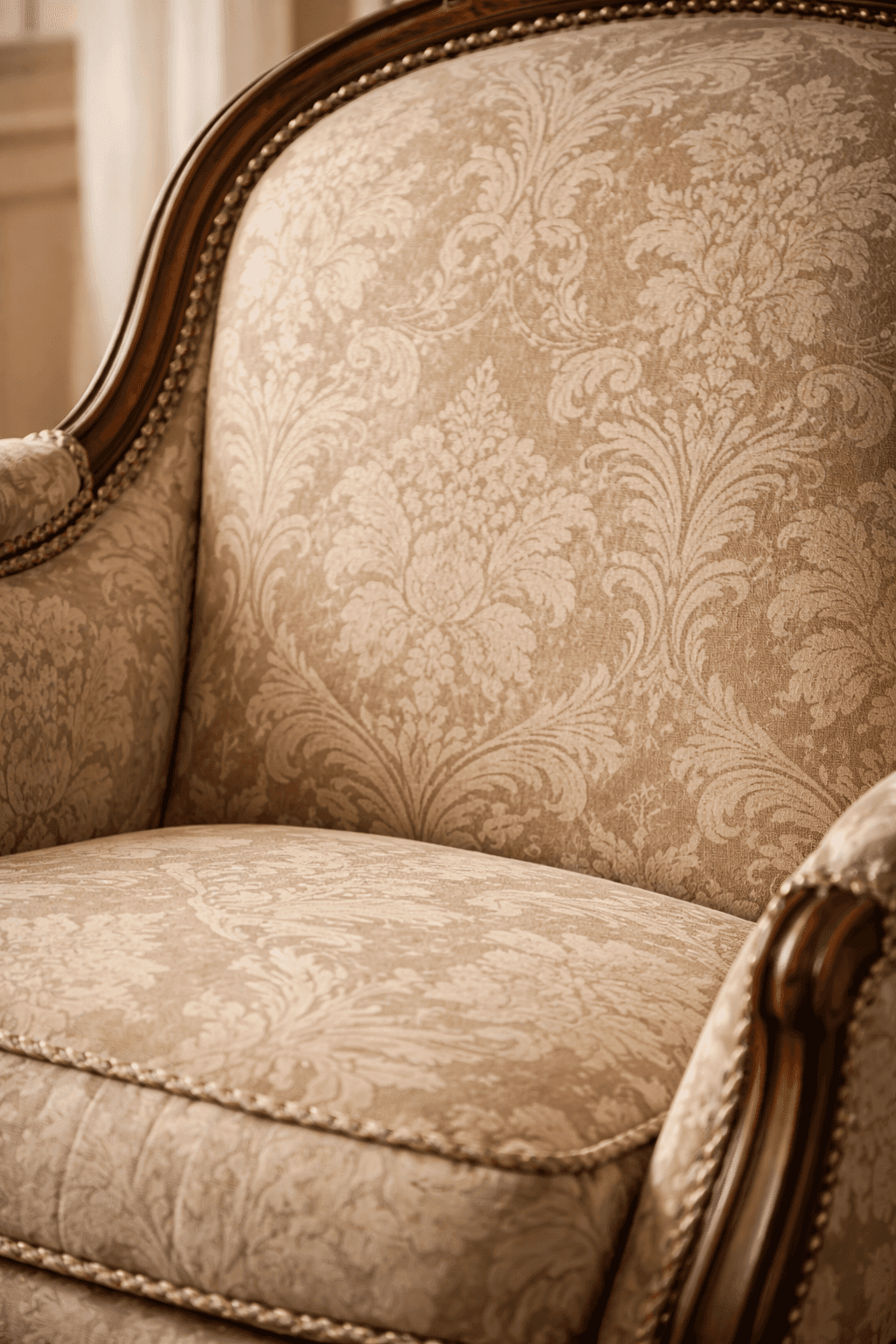
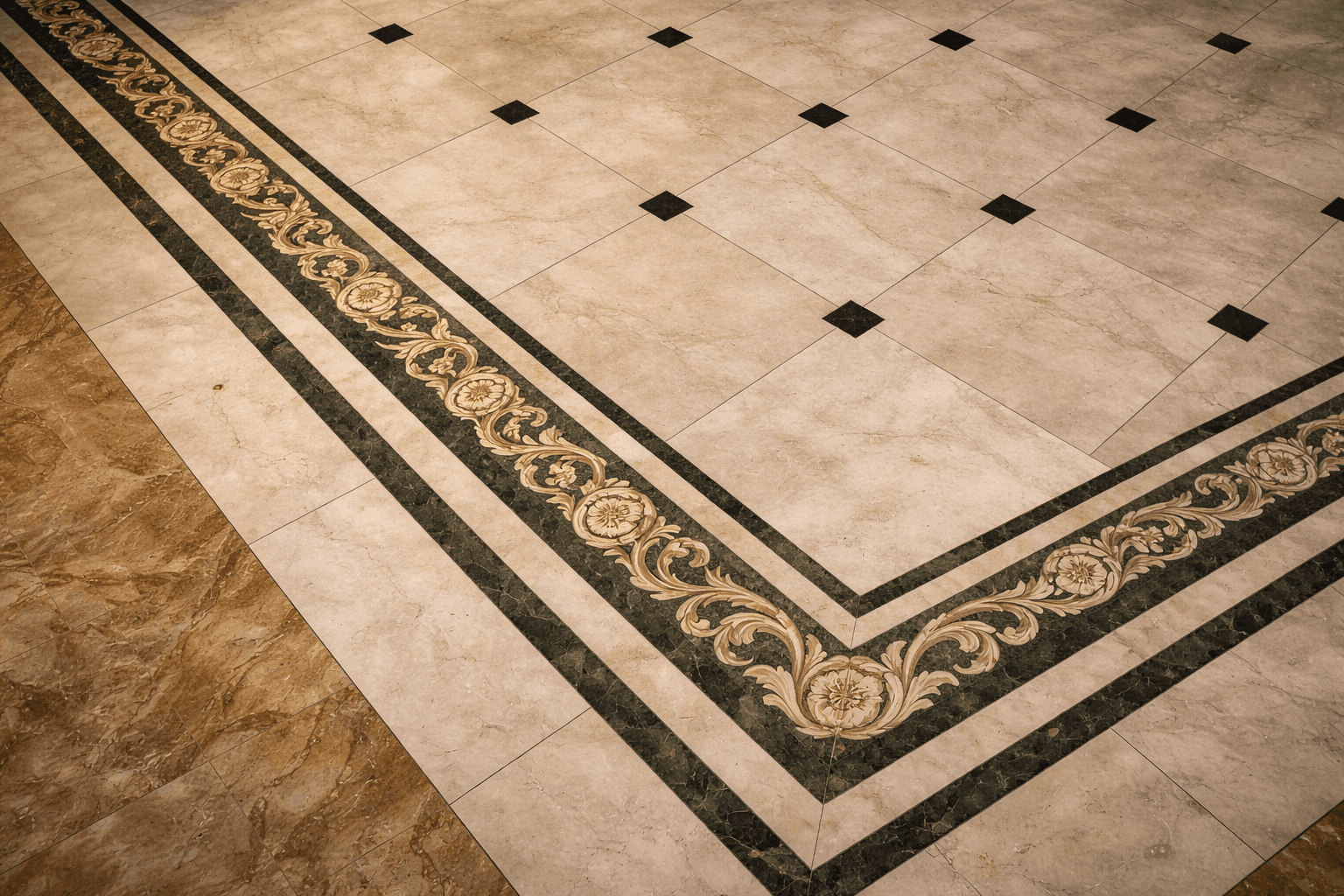
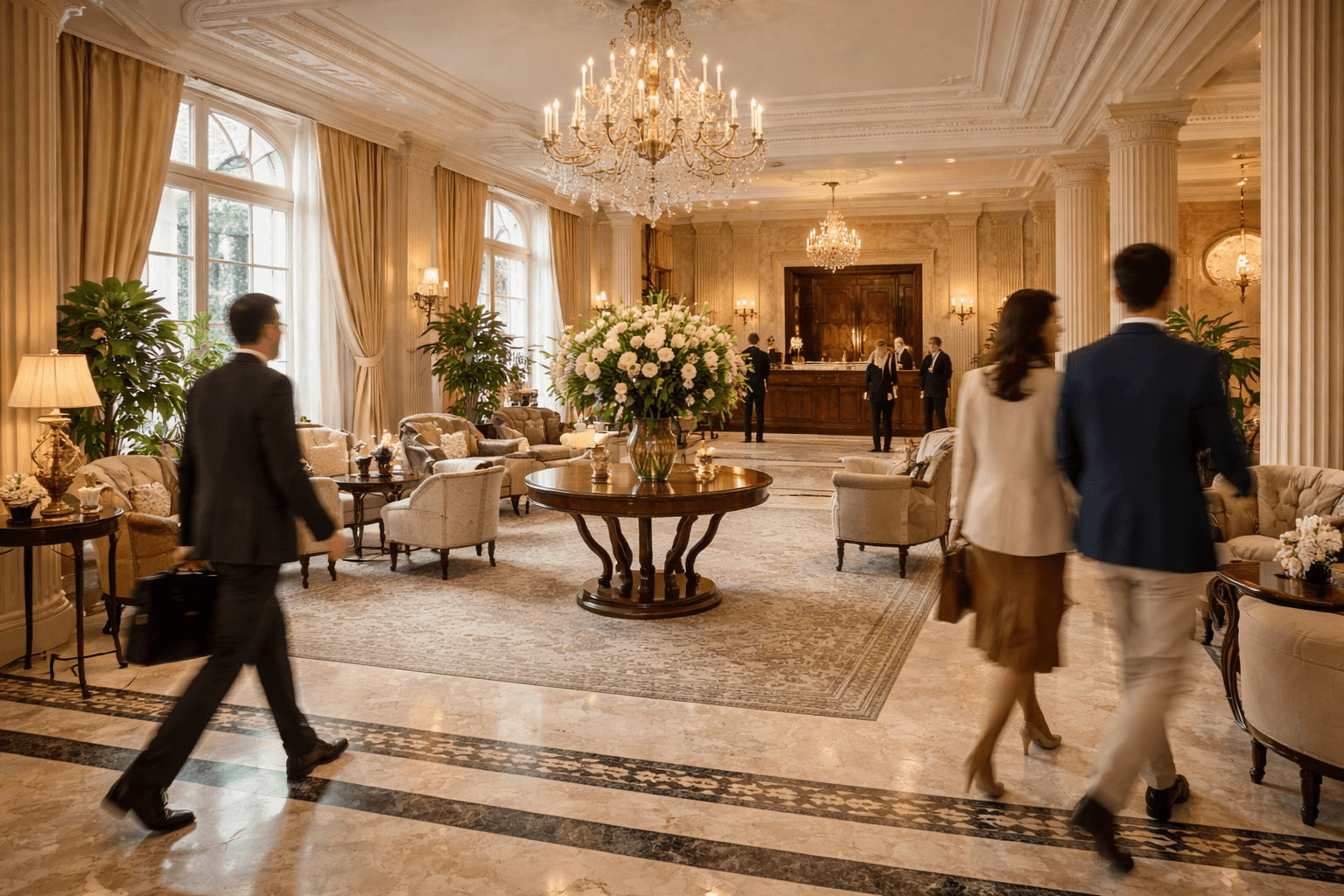
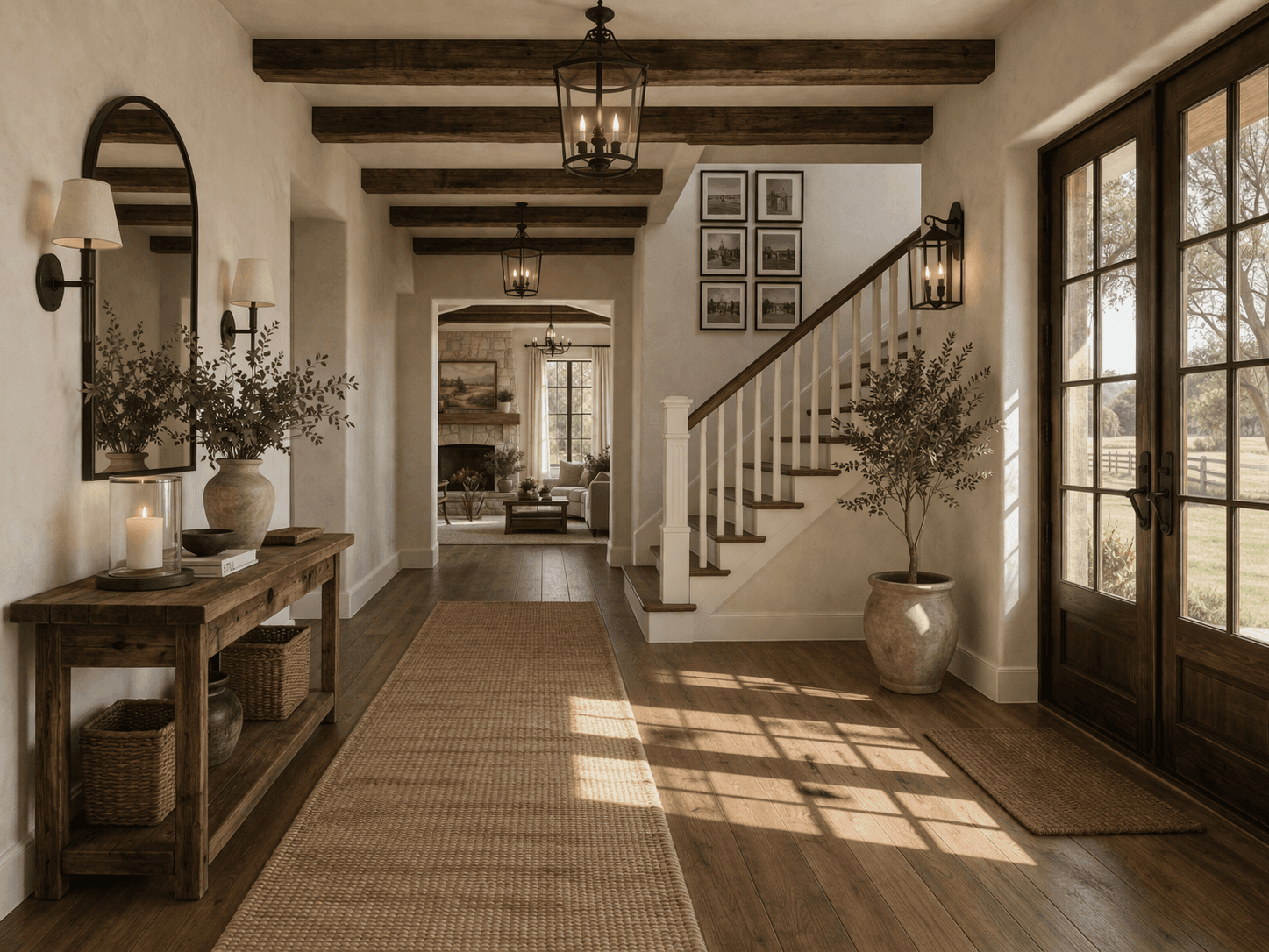
Planning across the guest house was centred on making a smaller footprint feel layered, comfortable, and intentional. Shared areas needed to support arrival, waiting, circulation, and moments of quiet pause without ever feeling crowded or overly structured. The layout was therefore refined to give each space a clear function while maintaining a natural visual and spatial flow from one area to the next.
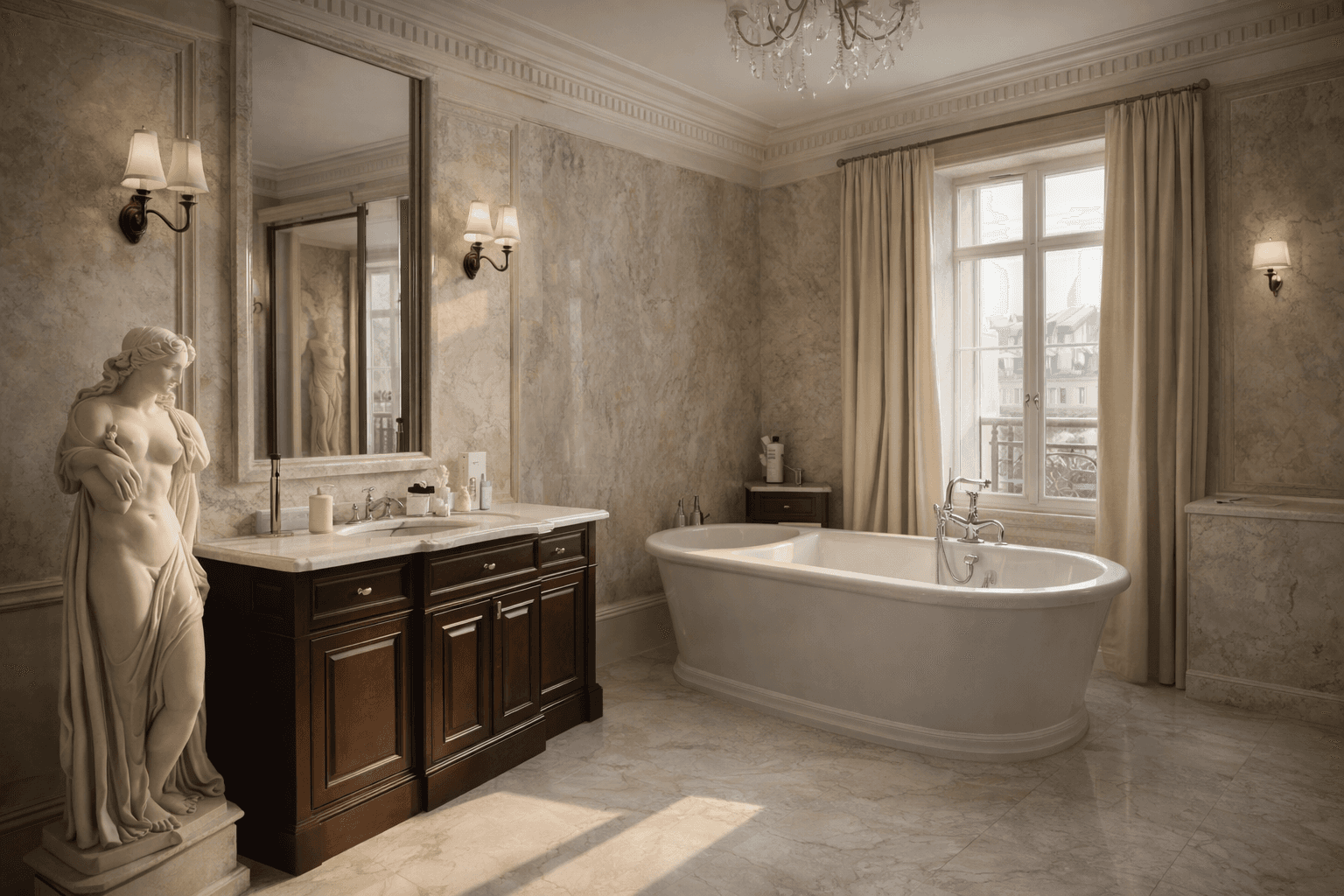
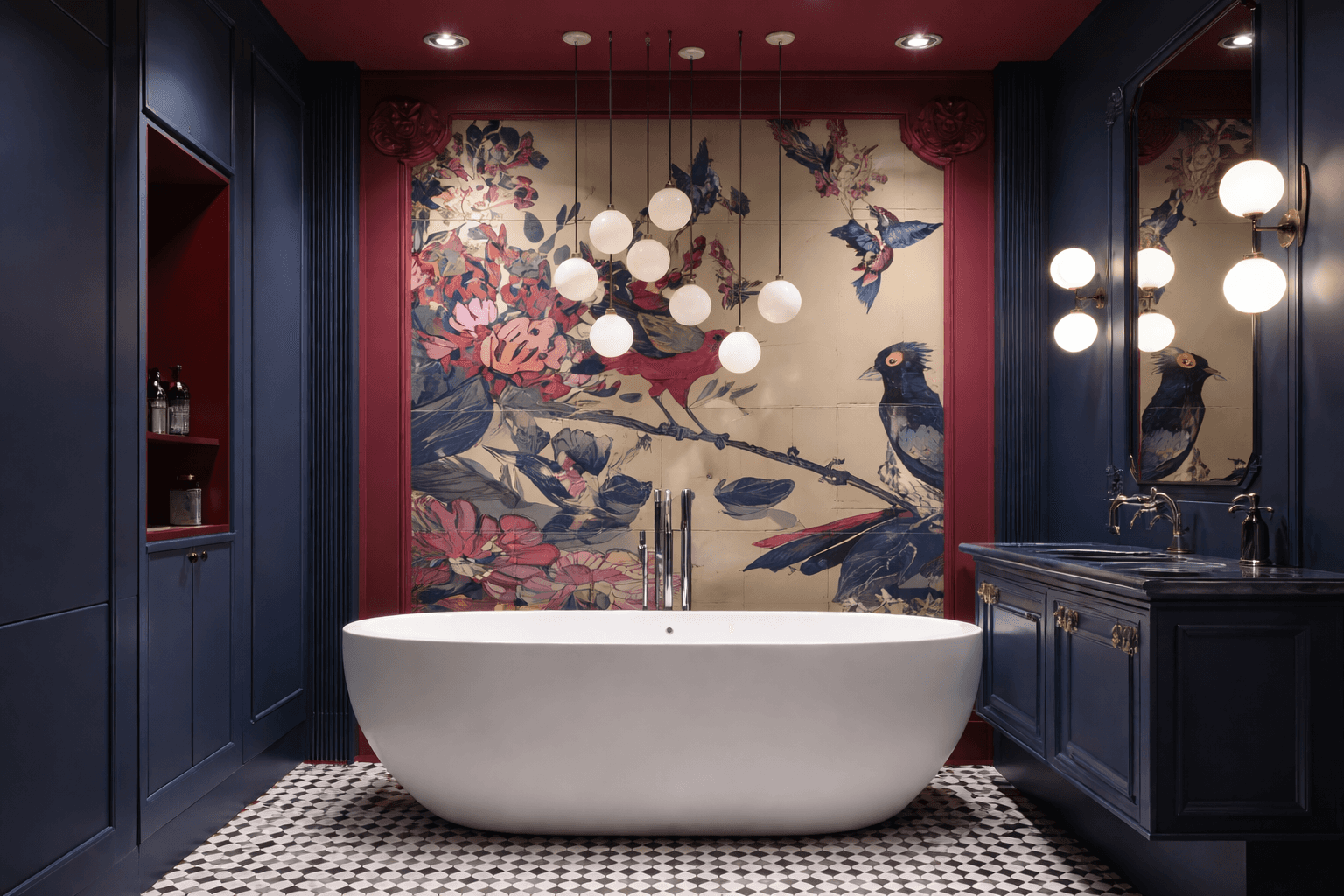
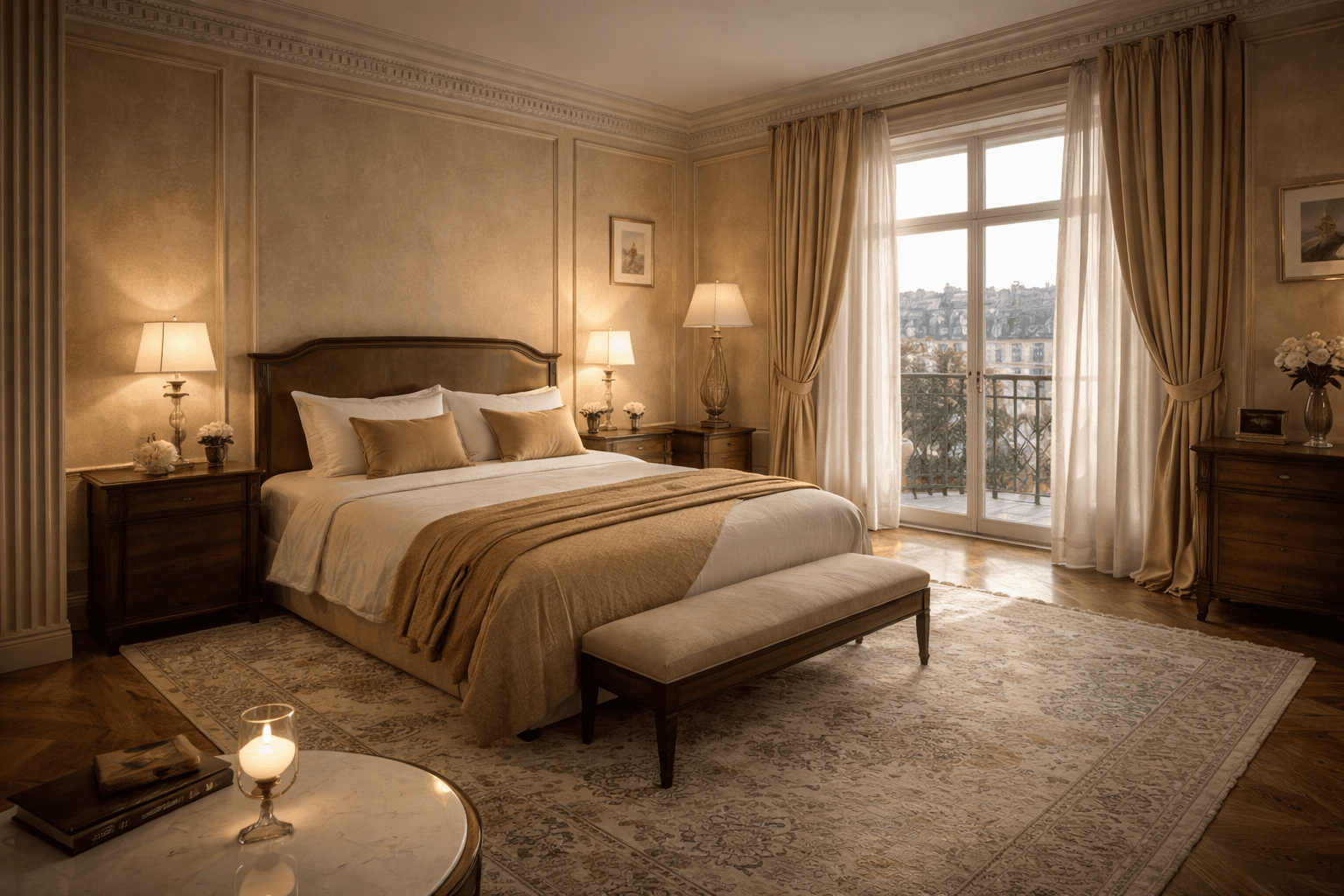
Materiality played a defining role in setting the tone of The Ember Guest House. Smoked timber, textured stone, warm plaster tones, brushed bronze details, and layered textiles were combined to create an interior that feels rich without becoming heavy. These materials brought warmth and tactility into the space, helping it feel grounded and inviting while still maintaining a clear contemporary identity.
The palette was intentionally deeper and moodier than a typical hospitality scheme, but carefully balanced to avoid anything oppressive. Softer upholstery, ambient lighting, and lighter tonal accents were introduced to create contrast and visual rhythm throughout the interior. This allowed the project to carry a strong sense of character while still feeling calm, liveable, and welcoming for a broad range of guests.

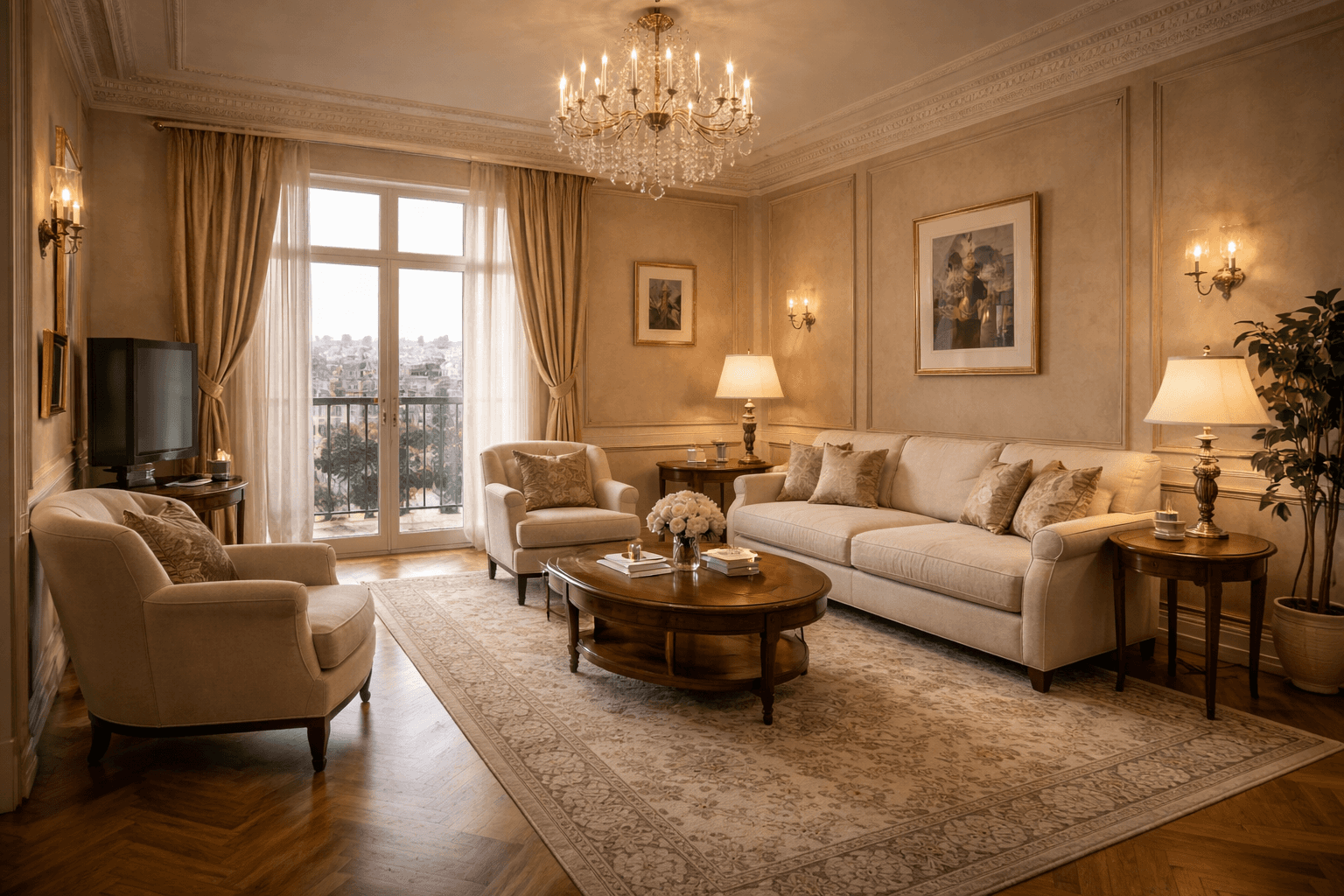
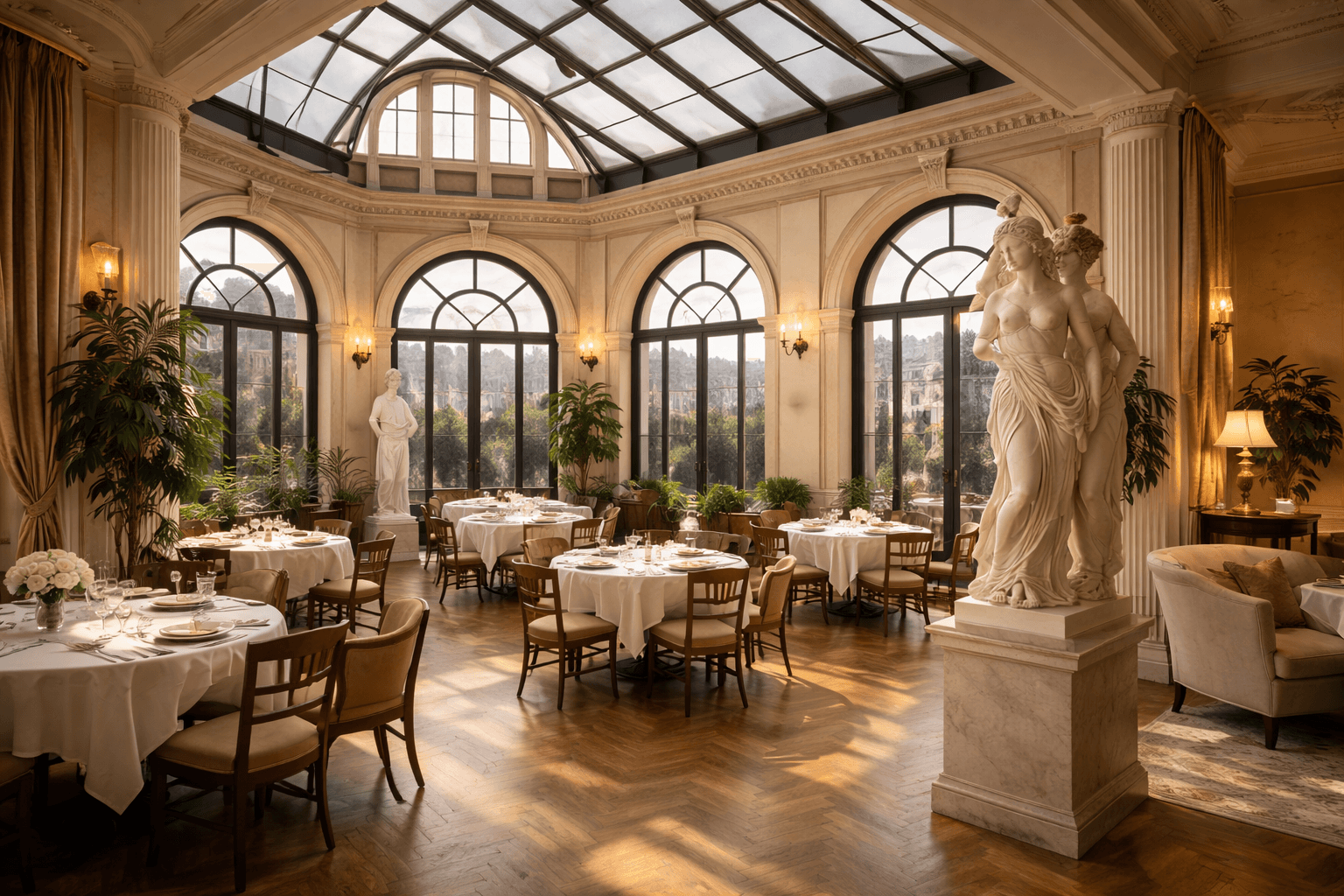
These front-facing spaces also needed to work across different times of day, from early check-ins and quiet afternoons to softer evening use. Layered lighting and carefully chosen materials helped the mood shift naturally over time, allowing the guest house to feel equally inviting in daylight and after dark. This gives the shared areas a stronger emotional presence and makes them feel like part of the stay rather than simply transitional zones.